
PTFE O-Rings
PTFE (Polytetrafluoroethylene) is one of the most chemically inert, low-friction engineering polymers in use for sealing solutions. Often referred to by its tradename, Teflon, PTFE is known for excellent heat, temperature, and pressure resistance, as well as its compatibility with a wide range of aggressive media, including acids, bases, and solvents.
PTFE O-rings are known for retaining their integrity and performance in operating conditions where other materials fail. They can operate over a wide temperature range and exhibit excellent tribological properties, including extremely low friction, self-lubrication, and no stick-slip. In addition, PTFE O-rings exhibit reduced wear and greater longevity compared to traditional O-ring materials.
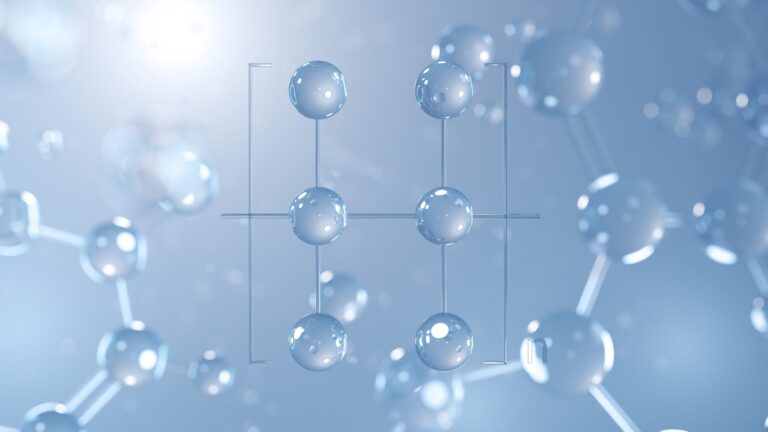
Key Features of PTFE O-Rings
Here are some of the key features of PTFE.
Temperature range
PTFE maintains its flexibility and sealing capability at very low temperatures while resisting thermal degradation, oxidation, and embrittlement at elevated temperatures.
This combination of low-temperature toughness and high-temperature stability makes PTFE especially valuable in applications involving thermal cycling, vacuum service, and extreme environments where many polymers quietly surrender.
Friction
Unfilled PTFE has a coefficient of friction around 0.09, with slightly higher values depending on the filler type used. PTFE is self-lubricating, making it an ideal option for applications where lubrication is discouraged or impossible (e.g., cryogenic environments). In addition, it does not exhibit stick-slip behavior.
Chemical Compatibility
PTFE is compatible with:
- Strong mineral acids (sulfuric, nitric, hydrochloric)
- Organic acids and solvents
- Fuels, oils, and hydraulic fluids
- Alcohols, ketones, and esters
- Bases and alkalis (including concentrated caustics)
- Oxidizing agents (with temperature limits considered)
This kind of broad resistance makes PTFE a default choice for seals, valve seats, bearings, and liners in chemical processing, semiconductor manufacturing, and pharmaceutical systems.
Fillers
PTFE is available with a variety of fillers, including
- Glass-filled to improve strength and longevity at the cost of abrasion
- Molybdenum Disulfide-filled PTFE achieves results similar to glass-filled without issues with abrasiveness
- Carbon-filled PTFE includes carbon as a natural lubricant that also increases the longevity of PTFE seals and O-rings
benefits of ptfe O-rings
Exceptional Chemical Resistance
Makes PTF O-Rings a suitable choice for even the most aggressive operating environments
Wide Operating Temperature Range
Means they can be used in many different applications, from cryogenic to extremely high temperatures.
Low Surface Energy
Reduces stick-slip, wear, and torque for O-rings, making them highly efficient.
Non-Leaching, Non-Reactive & FDA-Compliant
Available in many grades, which means they are suitable for industries that require cleanliness (e.g., food, dairy, pharmaceutical).
Superior Resistance to Environmental Factors
Unlike elastomers, PTFE O-rings do not crack, harden, or degrade due to ozone, UV exposure, or long-term aging.
Near-Zero Water Uptake
Ensures dimensional stability and consistent sealing performance for PTFE O-rings, even in humid or submerged environments.
Broad Pressure Capability
With proper design, means that PTFE O-rings can withstand high pressure when supported by appropriate gland geometry or backup rings, especially in static sealing applications.
Excellent Performance in Extreme Conditions
PTFE O-rings perform well with cryogenic fluids, corrosive gases, and aggressive process chemicals where elastomer O-rings fail quickly.
When to Use PTFE O-Rings
PTFE O-ring pressure ratings vary greatly: standard PTFE O-rings handle lower pressures (around 3,000 psi without backups), but with backup rings, they can reach 10,000 psi.
Specialized spring-energized PTFE seals can handle extreme pressures up to 60,000 psi, depending on design, temperature, and extrusion gap, making them excellent for high-pressure, wide-temp-range applications where other elastomers fail due to extrusion.
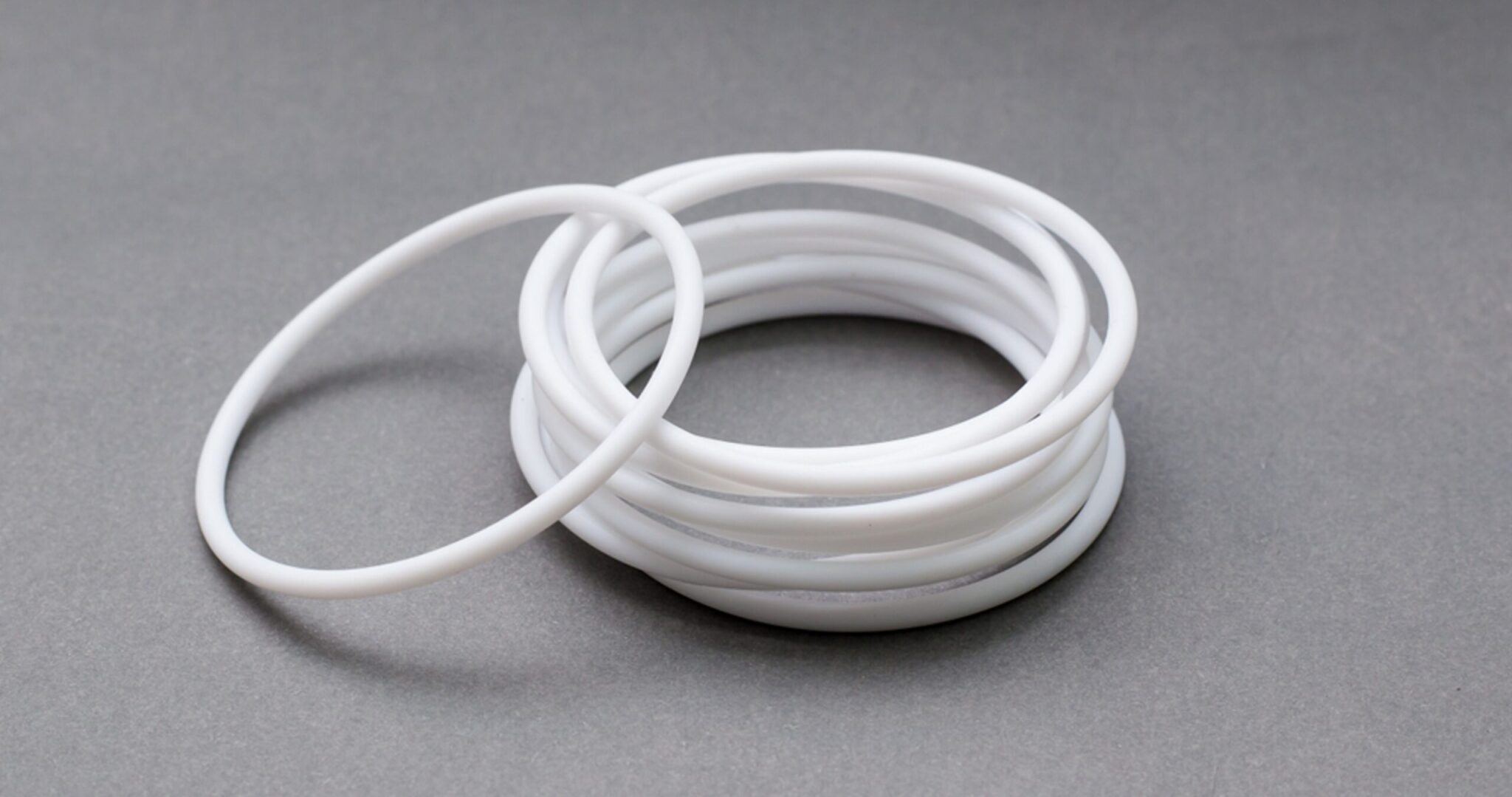
Common Uses & Applications of PTFE O-Rings
PTFE O-ring pressure ratings vary greatly: standard PTFE O-rings handle lower pressures (around 3,000 psi without backups), but with backup rings, they can reach 10,000 psi. Specialized spring-energized PTFE seals can handle extreme pressures up to 60,000 psi, depending on design, temperature, and extrusion gap, making them excellent for high-pressure, wide-temp-range applications where other elastomers fail due to extrusion.
Chemical processing equipment
Pumps, valves, reactors, mixers, and pipe flanges handling corrosive acids, bases, solvents, and oxidizers.
Valves and flow control systems
Ball valves, plug valves, needle valves, and control valves where chemical resistance and low friction are vital.
Pharmaceutical and biotech equipment
Sterile processing systems, fluid transfer lines, and filling equipment requiring high purity and non-leaching materials.
Semiconductor manufacturing
Wet benches, chemical delivery systems, wafer processing tools, and gas handling equipment where minimizing contamination is critical to performance.
Food and beverage processing
Sealing applications that require aggressive cleaning agents, high temperatures, or FDA-compliant requirements.
Oil, gas, and petrochemical systems
Downhole tools, sampling systems, valves, and fittings that are exposed to hydrocarbons, solvents, and elevated temperatures.
Cryogenic and low-temperature systems
LNG equipment, cryogenic valves, and low-temperature fluid handling, where elastomers will become brittle.
Vacuum systems
Vacuum chambers, pumps, and instrumentation where outgassing, chemical stability, and temperature resistance are highly important features.
Aerospace and defense applications
Fuel systems, hydraulic components, and environmental control systems exposed to extreme temperatures and aggressive fluids.
Laboratory and defense applications
Chromatography systems, chemical analyzers, and test rigs requiring broad chemical compatibility and dimensional stability.
Oxygen and high-purity gas service
Regulators, fittings, and valves where resistance to oxidation and chemical inertness reduces ignition risk.