
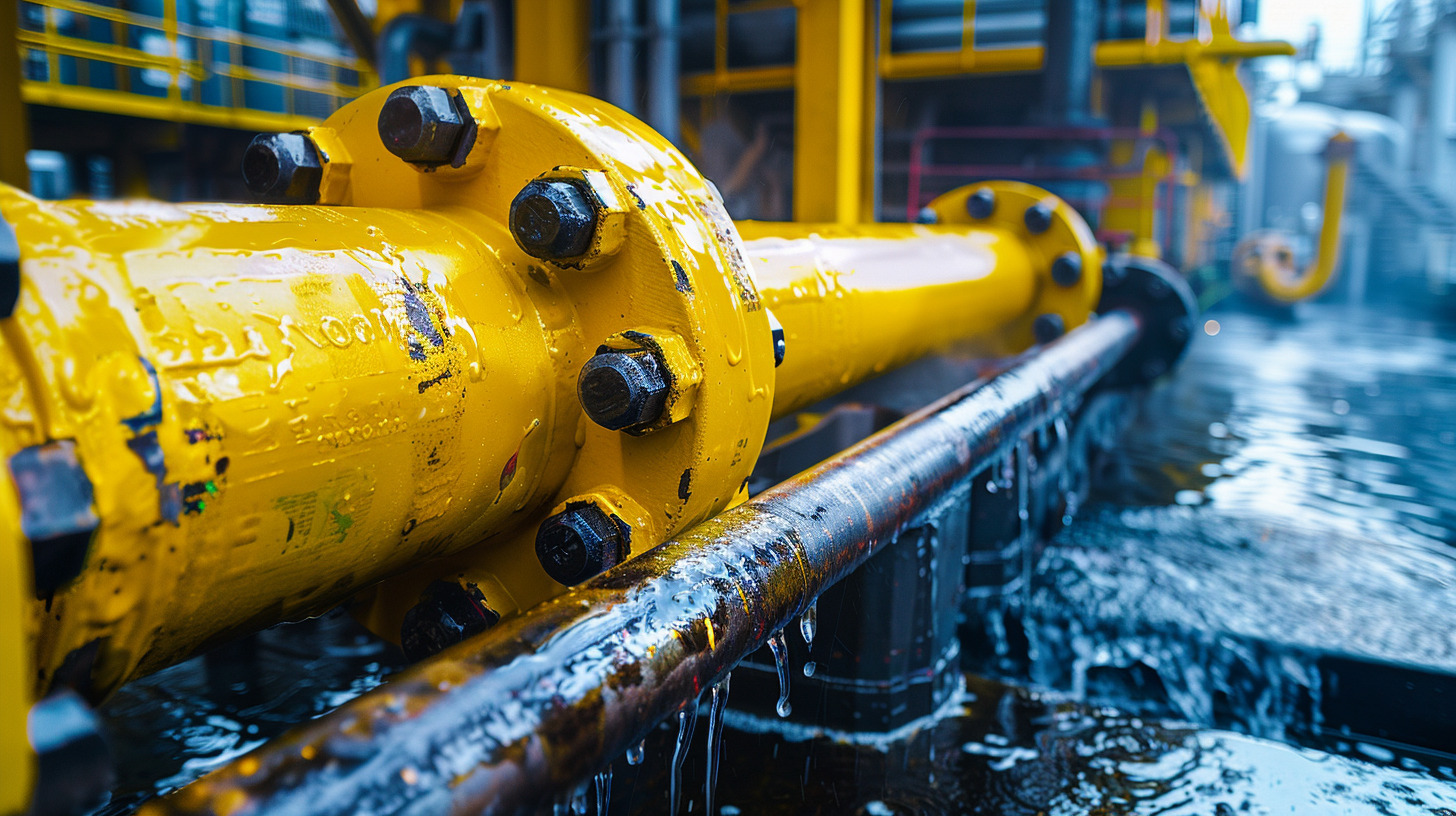
PPS (polyphenylene sulfide) is a high-performance, semicrystalline engineering polymer used where metals, standard polymers, and even some advanced polymers cannot deliver the required performance. PPS offers a unique combination of chemical resistance, mechanical strength, thermal stability, and dimensional stability, making it suitable for use in some of the harshest conditions.
The blog post will explore where PPS excels, why engineers choose it, and how specialized PPS grades such as Fluorolon® 5051, 5060, and 5065 provide tailored solutions for aggressive operating environments.
What Is PPS? A High-Performance Polymer Engineered for Harsh Conditions
PPS has an unusual chemical backbone comprising aromatic rings and sulfide linkages, which give it an inherently stable molecular structure. It also possesses a high level of crystallinity, which means good crosslinking. This crosslinking leads to excellent stiffness, low creep, and excellent dimensional stability.
PPS also exhibits outstanding chemical resistance that makes it inert to most fuels, solvents, acids, and bases. In addition, it is resistant to permeation and naturally flame-resistant (UL94 V-0).
Key Performance Properties of PPS
Exceptional Chemical Resistance
PPS is highly resistant to almost all …
- Organic solvents
- Fuels
- Automotive fluids
- Acids
- Caustics
- Hydraulic media
Because of its chemical resistance, PPS is often an ideal choice for applications in chemical processing, oil & gas, and semiconductor environments.
Thermal Stability
PPS products have continuous-use temperatures of 200–220°C and remain soft until they approach the decomposition temperature. Because of their excellent thermal stability, these components can maintain their mechanical strength even under prolonged thermal exposure.
High Mechanical Strength & Wear Resistance
PPS has high stiffness and can incorporate fillers such as glass fiber, carbon fiber, PTFE, graphite, or MoS₂ to enhance its inherent mechanical strength and wear resistance. In fact, filled blends enable even lower friction, greater wear resistance, and greater stability under dynamic loads.
Dimensional Stability and Low Moisture Absorption
It exhibits extremely low water absorption (<0.05%), making it highly suitable for high-tolerance, precision components intended for use in humid or aqueous working environments.
PPS in Demanding Industries: Where It Excels
Aerospace & Defense
In the aerospace and defense industries, materials are regularly exposed to fuels, hydraulic fluids, vibration, and thermal cycling. In such environments, this material is often used for housings, gears, electrical components, brackets, and seals that require high dimensional stability.
Oil & Gas / Energy
This material is known for its ability to survive aggressive chemicals, high-pressure environments, and extreme temperatures. This combination of properties makes it an excellent choice for downhole tools, pump components, valve parts, backup rings, and wear elements.
Chemical Processing
As already discussed, PPS has excellent chemical resistance, even against caustics and hot acids. That chemical resistance is why it has proven an outstanding material choice for pumps, valves, flow meters, agitators, and sealing systems exposed to corrosive media in the chemical processing industry.
Automotive & Transportation
In the automotive industry, PPS is regularly used in everything from transmission components, coolant systems, and fuel-handling systems to EV battery components and sensor housings. In fact, its high-temperature capabilities and chemical resistance provide the reliable, long-term performance that transportation applications require.
Semiconductor Manufacturing
In semiconductor manufacturing, it has been found exceedingly useful for applications that involve ultra-low outgassing and low ionic contamination. In fact, precision parts are regularly used for wafer handling, chemical delivery systems, fittings, and fluid control components.
Electrical & Electronics
In addition to its mechanical properties, it also has excellent electrical properties, including high dielectric strength and high CTI. In this area, it is utilized for connectors, bobbins, switch components, and insulating structures.
Advanced PPS Grades and Their Application Advantages
At Advanced EMC, we have found three grades of PPS to be particularly useful.
Fluorolon® PPS 5051
This grade is PTFE-filled, optimized for low friction and wear. It is commonly used in bearings, wear rings, pump parts, and sliding/rotating components.
Fluorolon® PPS 5060
This grade combines three fillers: carbon fiber, PTFE, and graphite. It offers even better dimensional properties along with reduced friction and enhanced thermal conductivity. It is used for components such as high-load bearings, chemical pump bushings, compressor components, and high-temperature wear applications.
Fluorolon® PPS 5065
This grade is reinforced with abrasion-resistant additives, including carbon and lubrication. It is exceptionally well known for its excellent dry-running performance and durability under dynamic conditions. Its many applications include high-speed bushings, seal rings, valve seats, and components that must operate in especially abrasive chemical environments.
Conclusion
PPS has become one of the most versatile high-performance polymers for engineers working in harsh chemical, thermal, and mechanical environments. Its combination of chemical inertness, rigidity, thermal stability, and dimensional precision allows it to replace metals and more expensive polymers in demanding applications. Advanced EMC’s Fluorolon® PPS materials (5051, 5060, and 5065) extend these benefits even further, offering specialized solutions for wear, friction, and high-load applications. Contact us today to learn more!