
PTFE O-rings combine the robustness of standard O-rings with the powerful properties of PTFE. PTFE (Polytetrafluoroethylene), commonly known as Teflon, is among the most chemically inert and low-friction polymers used in sealing solutions.
PTFE is well known for its low friction, extreme temperature, and pressure resistance. When used to manufacture O-rings, they excel at maintaining their integrity and performance even in demanding conditions where other materials might fail.
In this blog post, we’ll review the key features of PTFE, discuss the benefits of PTFE O-rings, and under what circumstances their use is recommended.
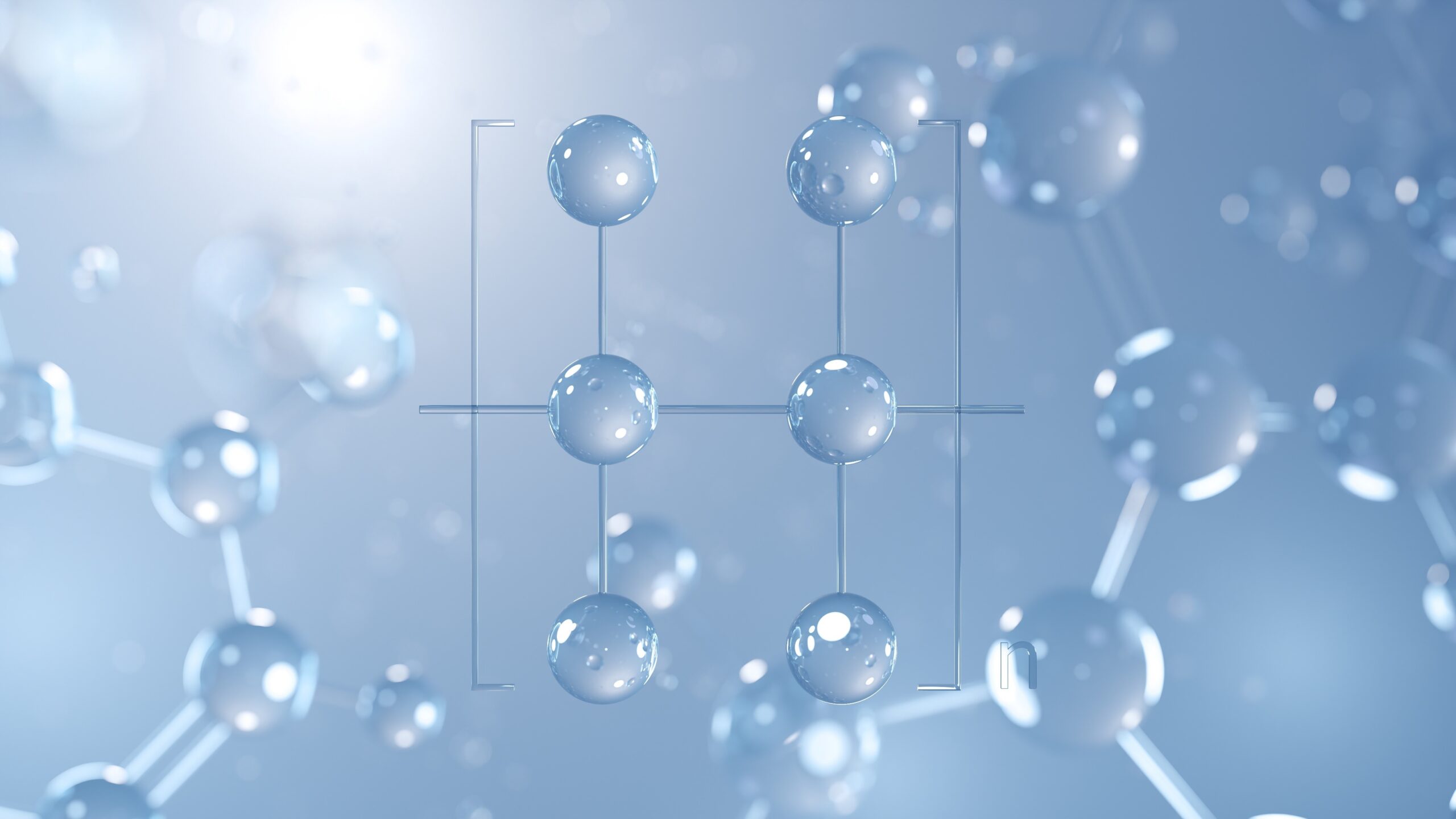
Key Features of PTFE
Here are three specific features of PTFE that make it an excellent choice for O-rings.
Friction
Unfilled PTFE has a coefficient of friction around 0.09 static and 0.05 dynamic, with slightly higher values depending on the filler type used. PTFE is also self-lubricating, making it an ideal option for applications where lubrication is discouraged or impossible (e.g., cryogenic environments), and it does not exhibit stick-slip behavior.
Chemical Compatibility
PTFE is compatible with a wide variety of chemicals, including strong mineral acids (sulfuric, nitric, hydrochloric), organic acids and solvents, bases and alkalis (including concentrated caustics), and oxidizing agents (with temperature limits considered). It is also resistant to fuels, oils, and hydraulic fluids as well as alcohols, ketones, and esters.
Engineers take advantage of this broad resistance by choosing it for applications such as seals, valve seats, bearings, and liners in chemical processing, as well as semiconductor manufacturing and pharmaceutical systems.
Temperature Range
PTFE maintains flexibility and sealing capability even at cryogenic temperatures while resisting thermal degradation, oxidation, and embrittlement at elevated temperatures. Such low-temperature toughness and high-temperature stability make PTFE an excellent choice in operating conditions with thermal cycling, vacuum service, and extreme environments where other polymers simply cannot maintain their performance.
Fillers
PTFE is available in a variety of grades, with some grades filled. Carbon-filled PTFE includes carbon as a natural lubricant while also increasing the longevity of PTFE O-rings. Glass-filled to improve strength and longevity at the cost of abrasion and a higher coefficient of friction. MoS2 (Molybdenum Disulfide) filled PTFE achieves results similar to glass-filled, without issues with abrasiveness.
There are several benefits to using PTFE O-rings. They exhibit excellent chemical resistance, making them an excellent option for the most aggressive operating environments. They also possess an extensive operating temperature range, which means they can be used in many different applications, from cryogenic to extremely high temperatures. Unlike elastomers, PTFE O-rings do not crack, harden, or degrade due to UV exposure, ozone, or long-term aging.
The low surface energy of PTFE reduces issues with stick-slip, wear, and torque for O-rings, making them a low-friction, efficient choice. PTFE O-rings are non-leaching, non-reactive, and FDA-compliant in many grades, making them suitable for industries with strict cleanliness requirements (e.g., food, dairy, and pharmaceutical). They also exhibit near-zero water uptake, which can ensure dimensional stability and consistent sealing performance even in humid or submerged environments.
Their broad pressure capability (with proper design) means that PTFE O-rings can withstand high pressure when supported by appropriate gland geometry or backup rings, especially in static sealing applications. Finally, PTFE O-rings perform well with cryogenic fluids, corrosive gases, and aggressive process chemicals where elastomer O-rings fail quickly.

When to Use PTFE O-Rings
PTFE O-ring pressure ratings vary greatly: standard PTFE O-rings handle lower pressures (around 3,000 psi without backups), but with backup rings, they can reach 10,000 psi. Specialized spring-energized PTFE seals can handle extreme pressures up to 60,000 psi, depending on design, temperature, and extrusion gap, making them excellent for high-pressure, wide-temp-range applications where other elastomers fail due to extrusion.
Conclusion
PTFE O-rings address sealing challenges that push conventional elastomers beyond their limits. Their low friction minimizes wear and torque, while their chemical inertness allows reliable performance in aggressive media. A wide operating temperature range further enables use in applications that experience cryogenic conditions, high heat, or frequent thermal cycling.
These characteristics make PTFE O-rings well-suited for chemical processing, semiconductor, pharmaceutical, and food and dairy applications. With proper gland design and support elements such as backup rings or spring energization, they can also perform effectively in high-pressure environments.
When friction, chemical resistance, temperature extremes, or cleanliness are critical design factors, PTFE O-rings offer a durable and proven sealing solution. Contact Advanced EMC today for help in selecting the appropriate material grade and configuration to ensure long-term reliability in your application.