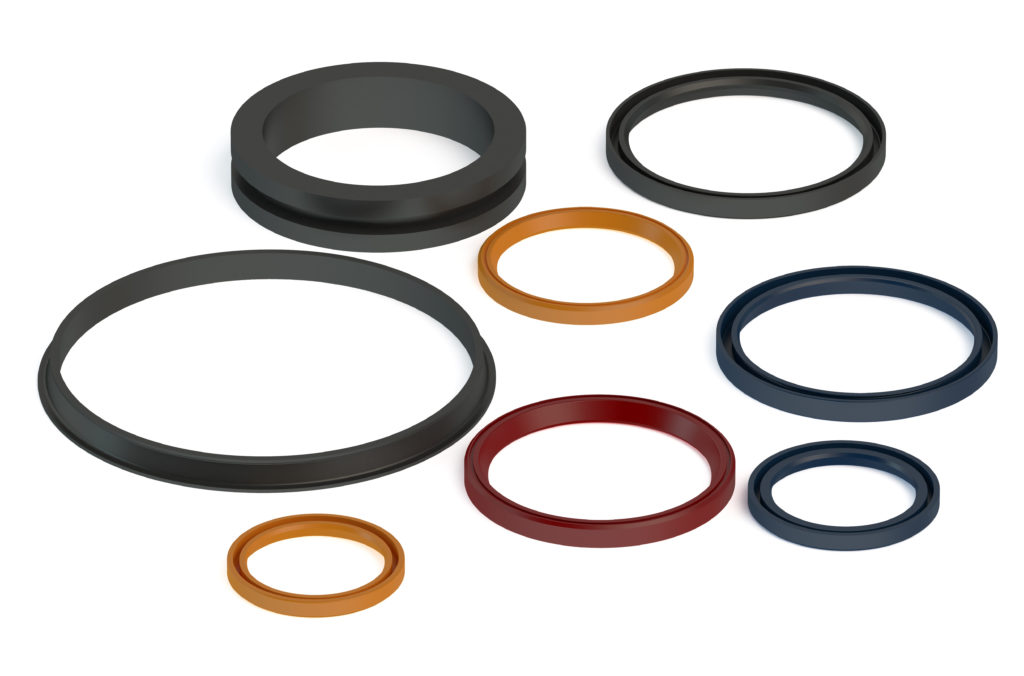
In the complex and demanding world of industrial machinery, the importance of reliable and efficient sealing solutions cannot be overstated. One of the standout innovations in this realm is the PTFE rotary shaft seal. Known for their exceptional performance and durability, these seals have become a cornerstone in various applications, providing critical benefits that enhance the operation and longevity of machinery. This article will explore PTFE rotary shaft seals’ unique properties, advantages, applications, and future trends shaping their use.

What are PTFE Rotary Shaft Seals?
PTFE (Polytetrafluoroethylene) rotary shaft seals are high-performance seals designed to prevent fluid leakage and contamination in rotating shafts. Made from PTFE, a synthetic fluoropolymer known for its outstanding chemical resistance and low friction, these seals are engineered to operate in harsh environments and under demanding conditions.
Key Properties and Advantages
- Exceptional Chemical Resistance: PTFE is highly resistant to a wide range of chemicals, making these seals suitable for use in environments where exposure to aggressive substances is daily.
- Low Friction: PTFE’s inherent low friction coefficient reduces wear on the seal and the shaft, leading to extended service life and reduced maintenance costs.
- High-Temperature Tolerance: PTFE seals can withstand extreme temperatures, maintaining their integrity and performance in conditions ranging from -200°C to +260°C (-328°F to +500°F).
- Non-reactive and Non-stick Properties: PTFE’s non-reactive nature prevents it from sticking to the shaft or reacting with other materials, ensuring smooth operation and consistent performance.
- Durability: PTFE’s robustness allows it to endure high pressures and abrasive environments, providing reliable sealing over long periods.
PTFE Rotary Shaft Seals Diverse Applications
The versatility and reliability of PTFE rotary shaft seals make them indispensable in a variety of industries:
- Automotive: In the automotive sector, these seals are used in engines, transmissions, and differentials to ensure leak-free operation and protect against contamination.
- Aerospace: PTFE seals’ high-temperature tolerance and chemical resistance make them ideal for aircraft engines and other critical aerospace components.
- Chemical Processing: PTFE rotary shaft seals are extensively used in chemical processing equipment. They handle aggressive chemicals and high temperatures without degrading.
- Oil and Gas: These seals are utilized in drilling equipment, pumps, and valves in the oil and gas industry, providing reliable performance in harsh, corrosive environments.
- Food and Beverage: PTFE’s non-reactive and non-stick properties make it suitable for food processing equipment, ensuring sanitary conditions and preventing contamination.
- Pharmaceutical: In pharmaceutical manufacturing, PTFE seals are used in mixers, reactors, and pumps, where purity and resistance to chemical degradation are paramount.
Future Trends and Innovations
As industries continue to advance, the demand for high-performance sealing solutions like PTFE rotary shaft seals is expected to grow. Future trends and innovations in this field may include:
- Enhanced Material Composites: Development of advanced PTFE composites with fillers such as glass, carbon, or bronze to further improve mechanical properties and wear resistance.
- Eco-friendly Solutions: Innovations focused on environmentally friendly manufacturing processes and materials, reducing the environmental impact of PTFE seal production.
- Digital Integration: Sensors and intelligent technology are integrated within seals for real-time monitoring and predictive maintenance, improving reliability and reducing downtime.
- Custom Solutions: Increased customization to meet specific application requirements, providing tailored sealing solutions for unique industrial challenges.
PTFE rotary shaft seals have emerged as a revolutionary solution in the sealing industry. They offer unmatched performance and durability across a wide range of applications. Their exceptional properties, including chemical resistance, low friction, and high-temperature tolerance, make them a preferred choice in demanding environments.
By understanding the benefits and applications of PTFE rotary shaft seals, industry professionals can make informed decisions to enhance the efficiency and longevity of their machinery. As technological advancements continue to unfold, these seals are set to play an even more critical role in driving industrial innovation and performance.
Embracing rotary shaft seals can significantly improve operational efficiency, cost savings, and system reliability. Leverage PTFE technology’s remarkable capabilities to stay ahead in industrial sealing solutions.