
by Sara McCaslin, PhD Sara McCaslin, PhD No Comments

PPS Polymer Applications: High-Strength Solutions for Demanding Environments

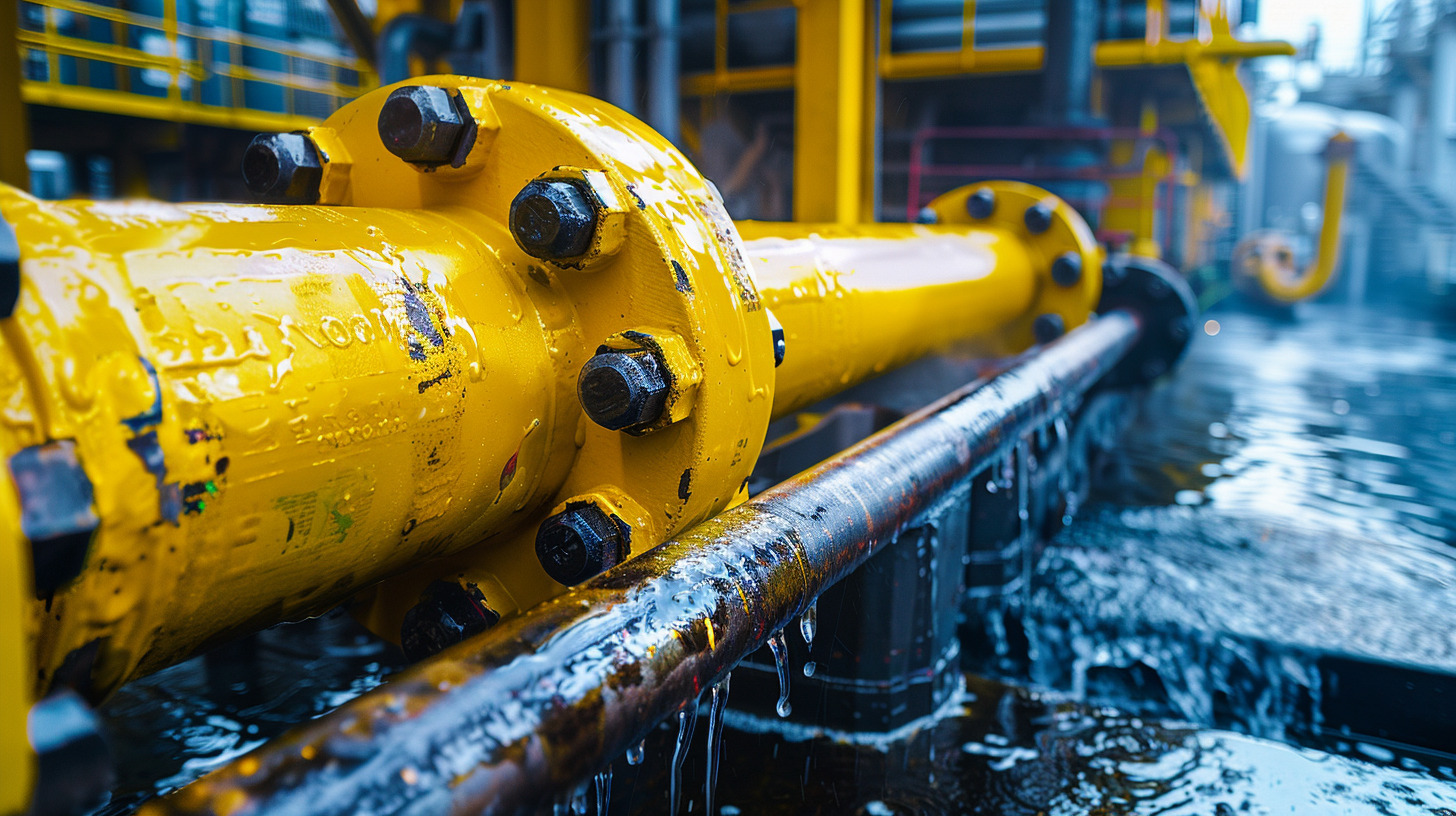
PPS (polyphenylene sulfide) is a high-performance, semicrystalline engineering polymer used where metals, standard polymers, and even some advanced polymers cannot deliver the required performance. PPS offers a unique combination of chemical resistance, mechanical strength, thermal stability, and dimensional stability, making it suitable for use in some of the harshest conditions.

The blog post will explore where PPS excels, why engineers choose it, and how specialized PPS grades such as Fluorolon® 5051, 5060, and 5065 provide tailored solutions for aggressive operating environments.

What Is PPS? A High-Performance Polymer Engineered for Harsh Conditions

PPS has an unusual chemical backbone comprising aromatic rings and sulfide linkages, which give it an inherently stable molecular structure. It also possesses a high level of crystallinity, which means good crosslinking. This crosslinking leads to excellent stiffness, low creep, and excellent dimensional stability. 

PPS also exhibits outstanding chemical resistance that makes it inert to most fuels, solvents, acids, and bases. In addition, it is resistant to permeation and naturally flame-resistant (UL94 V-0).

Key Performance Properties of PPS

Exceptional Chemical Resistance

PPS is highly resistant to almost all …

  • Organic solvents
  • Fuels
  • Automotive fluids
  • Acids
  • Caustics
  • Hydraulic media

Because of its chemical resistance, PPS is often an ideal choice for applications in chemical processing, oil & gas, and semiconductor environments.

Thermal Stability

PPS products have continuous-use temperatures of 200–220°C and remain soft until they approach the decomposition temperature. Because of their excellent thermal stability, these components can maintain their mechanical strength even under prolonged thermal exposure.

High Mechanical Strength & Wear Resistance

PPS has high stiffness and can incorporate fillers such as glass fiber, carbon fiber, PTFE, graphite, or MoS₂ to enhance its inherent mechanical strength and wear resistance. In fact, filled blends enable even lower friction, greater wear resistance, and greater stability under dynamic loads.

Dimensional Stability and Low Moisture Absorption

It exhibits extremely low water absorption (<0.05%), making it highly suitable for high-tolerance, precision components intended for use in humid or aqueous working environments.

PPS in Demanding Industries: Where It Excels

Aerospace & Defense

In the aerospace and defense industries, materials are regularly exposed to fuels, hydraulic fluids, vibration, and thermal cycling. In such environments, this material is often used for housings, gears, electrical components, brackets, and seals that require high dimensional stability.

Oil & Gas / Energy

This material is known for its ability to survive aggressive chemicals, high-pressure environments, and extreme temperatures. This combination of properties makes it an excellent choice for downhole tools, pump components, valve parts, backup rings, and wear elements.

Chemical Processing

As already discussed, PPS has excellent chemical resistance, even against caustics and hot acids. That chemical resistance is why it has proven an outstanding material choice for pumps, valves, flow meters, agitators, and sealing systems exposed to corrosive media in the chemical processing industry.

Automotive & Transportation

In the automotive industry, PPS is regularly used in everything from transmission components, coolant systems, and fuel-handling systems to EV battery components and sensor housings. In fact, its high-temperature capabilities and chemical resistance provide the reliable, long-term performance that transportation applications require.

Semiconductor Manufacturing

In semiconductor manufacturing, it has been found exceedingly useful for applications that involve ultra-low outgassing and low ionic contamination. In fact, precision parts are regularly used for wafer handling, chemical delivery systems, fittings, and fluid control components.

Electrical & Electronics

In addition to its mechanical properties, it also has excellent electrical properties, including high dielectric strength and high CTI. In this area, it is utilized for connectors, bobbins, switch components, and insulating structures.


Advanced PPS Grades and Their Application Advantages

At Advanced EMC, we have found three grades of PPS to be particularly useful.

Fluorolon® PPS 5051

This grade is PTFE-filled, optimized for low friction and wear. It is commonly used in bearings, wear rings, pump parts, and sliding/rotating components. 

Fluorolon® PPS 5060

This grade combines three fillers: carbon fiber, PTFE, and graphite. It offers even better dimensional properties along with reduced friction and enhanced thermal conductivity. It is used for components such as high-load bearings, chemical pump bushings, compressor components, and high-temperature wear applications. 

Fluorolon® PPS 5065

This grade is reinforced with abrasion-resistant additives, including carbon and lubrication. It is exceptionally well known for its excellent dry-running performance and durability under dynamic conditions. Its many applications include high-speed bushings, seal rings, valve seats, and components that must operate in especially abrasive chemical environments.

Conclusion

PPS has become one of the most versatile high-performance polymers for engineers working in harsh chemical, thermal, and mechanical environments. Its combination of chemical inertness, rigidity, thermal stability, and dimensional precision allows it to replace metals and more expensive polymers in demanding applications. Advanced EMC’s Fluorolon® PPS materials (5051, 5060, and 5065) extend these benefits even further, offering specialized solutions for wear, friction, and high-load applications. Contact us today to learn more!

by Sara McCaslin, PhD Sara McCaslin, PhD No Comments

Torlon Bearings: Properties, Performance, and Engineering Applications

Torlon bearings are high-performance solutions designed for extreme performance even under extreme loads, high temperatures, and aggressive wear conditions. In this blog post, learn why more and more engineers are opting for Torlon bearings based on Torlon’s properties, bearing performance characteristics, and diverse areas of applications.

Properties of Torlon Bearings

Chemical Structure and Material Classification

Torlon® (polyamide-imide, PAI) is a high-performance engineering polymer. It is a hybrid polymer that combines the characteristics of both polyamides and polyimides, offering excellent toughness, thermal resistance, and mechanical strength. Its aromatic monomers, which reduce molecular mobility, give it stiffness, creep resistance, and high-temperature capabilities. 

The imide linkages in Torlon give it a high bond strength, allowing it to resist chain scission at extremely high temperatures. In addition, the imide groups provide excellent resistance to oxidative degradation, extending their service life in oxygen-exposed environments.

This combination of aromatic monomers with imide linkages enables it to have a high continuous-use temperature of up to 500°F without losing its key mechanical properties. Torlon’s combined imide and aromatic bonding networks also enhance its wear resistance, which is critical in poor-lubrication or dry-running operating conditions.

Torlon’s molecular architecture enables bearings to provide reliable performance even under high PV loads and improves their compressive strength to support high-load-bearing applications. In addition, its chemical makeup enables Torlon to outperform many other engineering polymers in applications that demand dimensional stability under heavy mechanical cycling or extreme thermal spikes.

Thermal Properties

Torlon is known for its continuous-use temperatures approaching 260°C (500°F), as well as its excellent retention of mechanical strength at such elevated temperatures. Torlon also exhibits very low thermal expansion. Its primary thermal drawback lies in manufacturing: it is primarily limited to compression molding and machining because of its high melt processing temperature. 

Mechanical Properties

Torlon is known for its excellent strength and stiffness, including a high load capacity. Two of the bearing grades of Torlon are …

  • Torlon 4435: high-temperature, low-friction, high-PV
  • Torlon 4301: high strength, low friction, graphite-filled

Tribological Properties

Naturally low friction coefficients are another key property of Torlon. These values can be improved by using PTFE- or graphite-filled material. Moreover, Torlon has excellent wear resistance even in environments with minimal lubrication. Finally, it exhibits very low levels of deformation and creep even under sustained stress.

Chemical & Environmental Resistance

Torlon has excellent resistance to chemical attack, including automotive fluids, solvents, and hydraulic oils, and good resistance to hydrolysis.

Performance of Torlon Bearings

Load-Carrying Capacity

Its excellent compressive strength means that Torlon bearings can be used in high-load bearing applications, with PV ratings up to 100,000 for Torlon 4435.

Temperature Performance

Torlon bearings maintain excellent structural and wear performance even under continuous high temperatures. It is suitable for operating conditions where metal bearings seize.

PV (Pressure–Velocity) Capability

The high PV capability of these bearings makes them well suited for high-speed, high-load applications where heat generation is significant. For example …

  • Torlon 4435
    • Max P (Pressure): 1,000 psi
    • Max V (Velocity): 850 sfm
    • Max PV: 100,000 (psi·ft/min)
    • Service Temperature: 500°F
  • Torlon 4301
    • Max P (Pressure): 1,000 psi
    • Max V (Velocity): 900 sfm
    • Max PV: 50,000 (psi·ft/min)
    • Service Temperature: 500°F

Wear and Friction Behavior

Because these bearings have such a low coefficient of friction, startup wear and energy losses are very low, and they exhibit excellent dry-running performance. In addition, friction is stable across a wide range of loads and temperatures.

Dimensional Stability & Creep Resistance

Low thermal expansion and minimal creep make Torlon bearings an excellent option for precision applications, tight clearances, and long service life.

Applications for Torlon Bearings

Torlon bearings are used in aerospace systems such as flap actuators and landing gear, where low weight, high wear resistance, and the ability to withstand extreme thermal cycling are essential. In oil and gas equipment, Torlon provides reliable performance in HPHT environments for components like downhole tools, pumps, and valves. Industrial machinery relies on Torlon for bushings, wear rings, and thrust washers that offer low friction and long life, where metal bearings wear out quickly.

In automotive and transportation systems, Torlon supports transmissions, pumps, and electric motors with strong thermal resistance and low wear. Semiconductor and precision equipment benefit from Torlon’s low outgassing, chemical resistance, and dimensional stability in clean, tightly controlled environments. Automation and robotics use Torlon bearings in high-load joints and guides, where strength, low wear, and minimal lubrication improve system reliability.

Conclusion

Torlon bearings offer unique advantages for extreme mechanical, thermal, and environmental operating conditions. Their high load capacity, excellent wear behavior, superior PV performance, and broad industrial applicability have made them the choice for many bearing solutions across a range of industries and applications. If you are interested in bearing solutions for aggressive operating environments, contact Advanced EMC today for custom Torlon bearing design, material selection, and manufacturing guidance.