The quest for the cosmos is a testament to human ingenuity and determination. As we propel ourselves into the vast expanse of space, the intricate dance of technology and nature becomes ever more critical. One such marvel of engineering, often overlooked, is the role of seals in rocket engines and spacecraft. These small yet mighty components are vital for ensuring the success and safety of space missions.
The Silent Guardians of Rocket Propulsion
Rocket propulsion systems rely on the flawless separation of propellants until the moment of ignition. This separation is crucial, especially when dealing with hypergolic bi-propellants like RP-1 (highly refined kerosene) and Liquid Oxygen (LOX), which ignite spontaneously upon contact. Seals act as the guardians, preventing premature mixing and ensuring that each stage of the propulsion process occurs without incident.
However, the challenges faced by these seals are formidable. The cryogenic nature of LOX requires materials that can withstand extremely low temperatures. Traditional elastomers, commonly used in sealing applications, fall short of the necessary performance at such cryogenic conditions. This necessitates the use of advanced materials and innovative designs.
Hypergolic propellants, while efficient, introduce another layer of complexity. These substances are highly reactive and can ignite on contact, meaning any leak or failure in the seals could result in catastrophic consequences. Therefore, seals must be engineered to maintain their integrity under these extreme conditions, providing an unyielding barrier that ensures the safe handling of these volatile compounds.
Navigating the Extremes: Temperature and Pressure
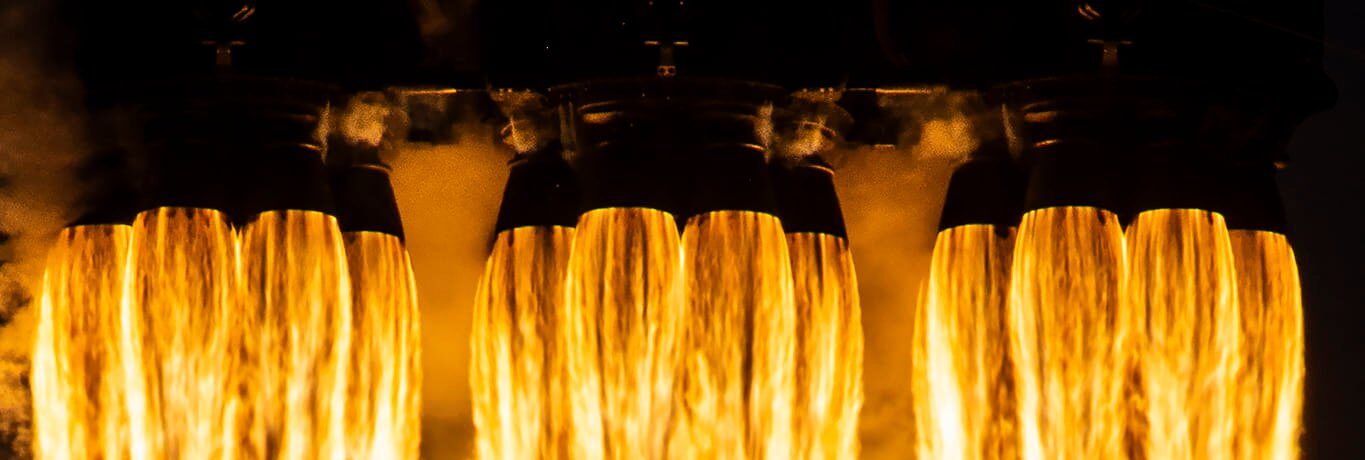
Seals in rocket engines are exposed to a wide range of temperatures and pressures, from the cryogenic storage of LOX at temperatures as low as -450°F to the blistering heat of 4,000°F in the main combustion chamber. They must maintain their integrity and functionality across these extremes, ensuring no leaks or failures occur.
To put this into perspective, consider the temperature fluctuations a seal must endure during a typical rocket launch. Initially, the seals must function at cryogenic temperatures, ensuring the propellants remain securely stored. As the rocket ignites and propellants are fed into the combustion chamber, the seals are suddenly subjected to extreme heat and pressure. This rapid change can cause thermal expansion and contraction, which must be accounted for in the seal’s design to prevent material fatigue and failure.
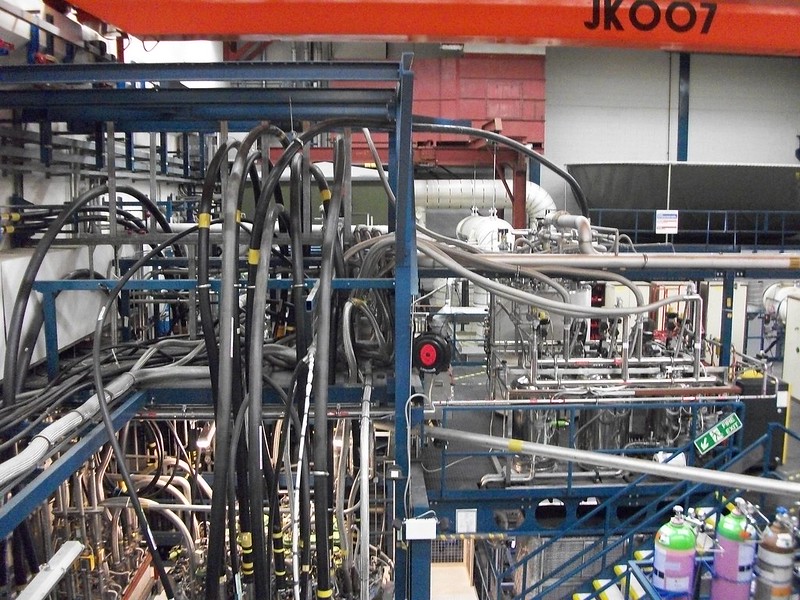
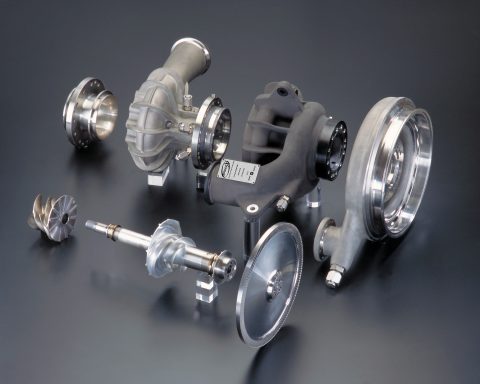
The journey of propellants through the various stages of a rocket – from tanks to turbopump assemblies, compressors, pumps, ducts, joints, manifolds, and valves – exposes seals to different states of matter, pressures, and temperatures. Each stage requires seals to adapt and perform consistently, making their reliability paramount. This is where advanced materials like PTFE (Polytetrafluoroethylene), PEEK (Polyether ether ketone), and specialized elastomers come into play, providing the necessary resilience and flexibility to handle these demanding conditions.
Balancing Weight and Cost
In the aerospace industry, every gram counts. The weight of a rocket is directly proportional to the fuel required for launch, impacting the payload capacity and, ultimately, the commercial viability of the mission. Seals must therefore be lightweight yet robust, made from materials that offer excellent strength-to-weight ratios.

Advanced sealing materials like PTFE and PEEK are favored not only for their durability but also for their lightweight properties. PTFE, known for its low friction and high resistance to chemicals and temperature extremes, is often used in applications where traditional materials would fail. PEEK, on the other hand, offers exceptional mechanical strength and can withstand high pressures and temperatures, making it ideal for critical sealing applications in rocket engines.
Cost is another critical factor. Advanced sealing solutions, while more expensive, provide higher reliability and performance. The choice of materials, whether PTFE, PEEK, or specialized elastomers, and the type of seal, such as spring-energized encapsulated seals, play a significant role in the overall cost. Custom solutions tailored to specific requirements further drive up costs, but the investment is justified by the enhanced safety and reliability they offer.
The Art of Specifying and Designing Seals
Designing seals for rocket engines involves a meticulous consideration of various factors. The seals must withstand thermal cycling, maintain cleanliness, ensure chemical compatibility, and exhibit low friction and wear. The surface finish of glands, grooves, and the seal jacket must be flawless to prevent any points of failure.
Thermal cycling, the repeated heating and cooling cycles that seals undergo during a mission, can cause material degradation over time. Engineers must select materials that not only withstand these cycles but also maintain their sealing properties. Cleanliness is another critical factor, as any contamination can compromise the seal’s effectiveness and potentially cause leaks.
Chemical compatibility is essential, especially when dealing with aggressive propellants like LOX and RP-1. The seals must resist chemical attack and degradation, ensuring they maintain their integrity throughout the mission. Low friction and wear properties are equally important, as they reduce the risk of seal damage during the dynamic operations of the rocket.
Internal Links:
- PTFE AEROSPACE SEALS
- SEALS FOR SPACE VEHICLE PROPULSION SYSTEMS
- ENHANCING EFFICIENCY AND SAFETY: EXPLORING THE IMPORTANCE OF HIGH-TEMPERATURE AEROSPACE SEALS AND GASKETS
- SPRING-ENERGIZED SEALS FOR AEROSPACE AND DEFENSE
A Glimpse into the Future
As space exploration evolves, the demands on sealing technology will continue to grow. The development of reusable rockets, new propellant combinations, and extended missions into deeper space will require even more advanced and resilient seals. The pursuit of these innovations is not just about enhancing performance but also about ensuring the safety and success of every mission.
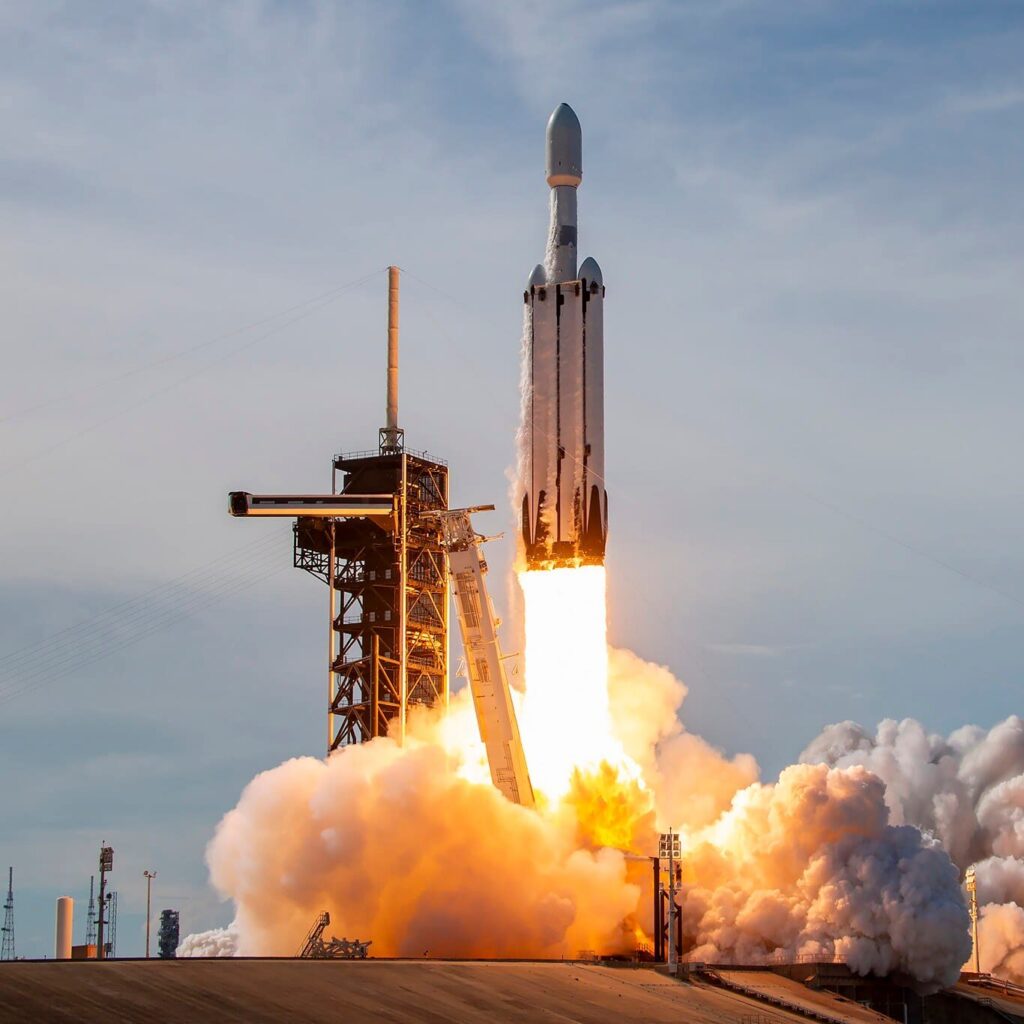
Reusable rockets, such as those being developed by SpaceX and Blue Origin, present unique challenges for sealing technology. The seals must not only perform flawlessly during multiple launches and re-entries but also endure the rigors of refurbishment and reuse. This requires seals that can maintain their properties over extended periods and through numerous thermal cycles.
New propellant combinations, including methane-based propellants, introduce additional complexities. Methane, while offering advantages in terms of performance and availability, can pose different challenges for seals compared to traditional RP-1 and LOX. Engineers must develop seals that are compatible with these new propellants, ensuring they provide the same level of reliability and safety.
Extended missions into deeper space, such as those planned for Mars and beyond, will push the limits of sealing technology. The seals must withstand the harsh conditions of space, including extreme temperatures, radiation, and vacuum, while maintaining their sealing properties over long durations. This will drive the development of new materials and designs that can meet these unprecedented challenges.
Conclusion
In the grand tapestry of space exploration, seals may seem like minor players, but their role is nothing short of heroic. They stand as the unsung guardians, ensuring that each component of a rocket operates flawlessly, propelling humanity toward new frontiers. As we continue to push the boundaries of what is possible, the technology behind these seals will remain a cornerstone of our journey to the stars.