
by Daniel Mays Daniel Mays No Comments

How PTFE and PEEK Enable Reliable Sealing Across Extreme Media

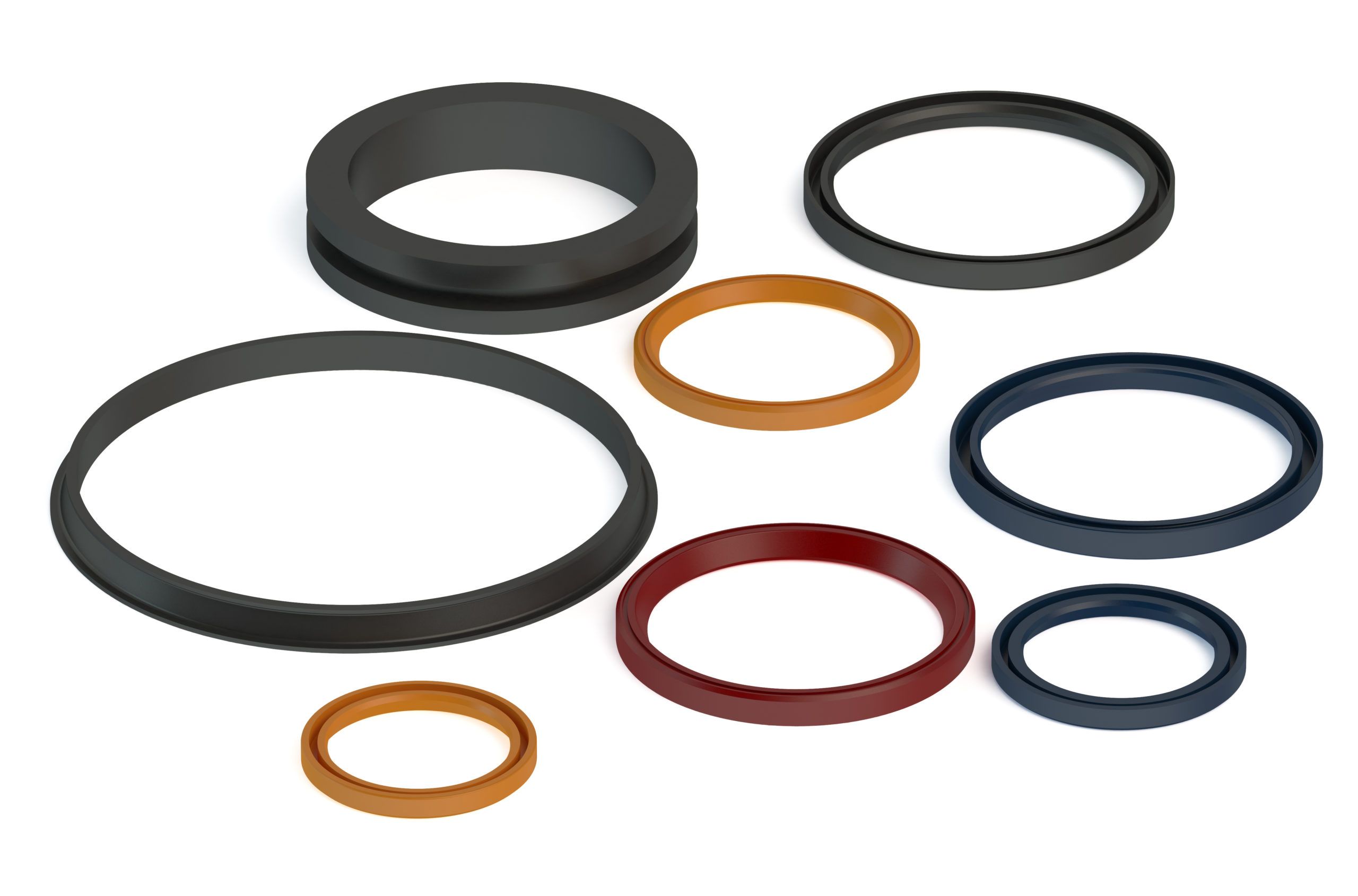
In the world of advanced sealing, few materials can match the resilience and versatility of PTFE and PEEK. When systems operate at temperatures below –200 °C or handle chemicals capable of dissolving most polymers, seal failure is not an inconvenience—it’s a critical risk. In such environments, the combination of PTFE and PEEK enable reliable sealing performance that remains stable, predictable, and long-lived.

This blog post focuses on key features of PTFE and PEEK that make their sealing solutions a good choice for extreme media and reviews applications where these materials excel.

The Challenge of Sealing Across Opposing Extremes

Designing a seal for cryogenic and/or corrosive service is an exercise in contradiction. At extremely low temperatures, most polymers become brittle and lose their ability to conform to mating surfaces. Under high heat or chemical exposure, others swell, creep, or break down at the molecular level. Even metals typically  lack the elasticity or chemical resistance required for tight dynamic sealing.

True reliability comes from materials that can maintain their properties across this spectrum—retaining flexibility near absolute zero while withstanding oxidative and acidic environments at elevated temperatures. This is precisely where PTFE and PEEK excel.

PTFE: The Chemical Inertness Benchmark

Polytetrafluoroethylene (PTFE) serves ast the industry standard for chemical resistance and thermal stability. With its fully fluorinated carbon chain forms, PTFE is one of the most inert polymer molecular structures known. It is impervious to nearly all solvents, acids, and bases. Its operating range is from –250 °C to +260 °C, and PTFE is able to maintain low friction and minimal surface adhesion even in the harshest conditions.

In dynamic seals, its extremely low friction and self-lubrication allows results in lower torque, reduced stick-slip, and minimal wear against counterfaces. In addition, cryogenic engineers value PTFE’s ability to retain elasticity at temperatures that render most elastomers and many polymers extremely brittle. In chemical processing, it functions as a barrier material, protecting metallic components from corrosive attack.

However, unfilled PTFE has its limits. Under continuous load, it can creep or cold-flow, gradually losing preload. Engineers address this with fillers such as glass, graphite, carbon, or bronze, with each improving compressive strength and wear resistance. These modifications allow PTFE and PEEK enable reliable sealing designs to meet performance expectations in applications ranging from cryogenic valves to aggressive chemical reactors.

PEEK: Structural Integrity Under Pressure

Polyether ether ketone (PEEK) seems to complement the properties PTFE by offering exceptional mechanical strength and outstanding dimensional stability. Where PTFE provides chemical inertness, PEEK contributes structural endurance. Its semi-crystalline molecular structure gives it tensile strengths exceeding 90 MPa and excellent creep resistance maintained even at continuous temperatures approaching 250 °C.

In sealing systems, PEEK often serves as a backup ring, retaining element, or structural carrier for softer sealing materials. PEEK is excellent at resisting extrusion under high differential pressure and maintains shape when thermal cycling could otherwise deform conventional polymers. Chemically, PEEK withstands regular exposure to hydrocarbons, steam, and strong acids, thus making it indispensable in oil-and-gas and chemical processing environments.

Composite grades filled with carbon fiber, graphite, or PTFE further optimize tribological performance. These blends combine the toughness of PEEK with the low friction and self-lubrication of PTFE, thus ensuring smoother operation dynamic sealing solutions where where friction is critical.

PTFE and PEEK Performance Across Extreme Temperatures and Corrosive Media 

Engineers often use PTFE sealing solutions for operations that involve components, such as cryogenic hydrogen and oxygen valves, where lubrication must persist without freezing or outgassing. On the other hand, PEEK components dominate in high-temperature pumps and compressors exposed to sour gases, acids, or amine-laden fluids. 

Even in vacuum environments, PTFE’s extremely low outgassing helpts to ensure critical contamination-free operation. PEEK’s dimensional stability supports precise alignment and positioning even over extreme temperature ranges. Such mechaniacl properties can translate into longer service life, reduced maintenance cycles, and measurable operational cost savings, all of which are outcomes every engineer values.

Conclusion: Material Science at the Edge of Performance

When the operating conditions involve everything form cryogenic cold to corrosive heat, only a select group of polymers can deliver consistent performance: PTFE and PEEK. One offers unmatched chemical inertness and low friction; the other, exceptional mechanical integrity and pressure resistance. Working independently or in tandem, PTFE and PEEK enable reliable sealing in systems where failure is simply not an option.

For engineers designing valves, compressors, or actuators expected to survive the extremes, these two polymers represent more than material choices—they represent confidence. Through advanced formulations, precision machining, and innovative hybrid geometries, the limits of polymer sealing continue to expand.
by Daniel Mays Daniel Mays No Comments

Bearing-Grade Polymers in Aerospace Mechanisms

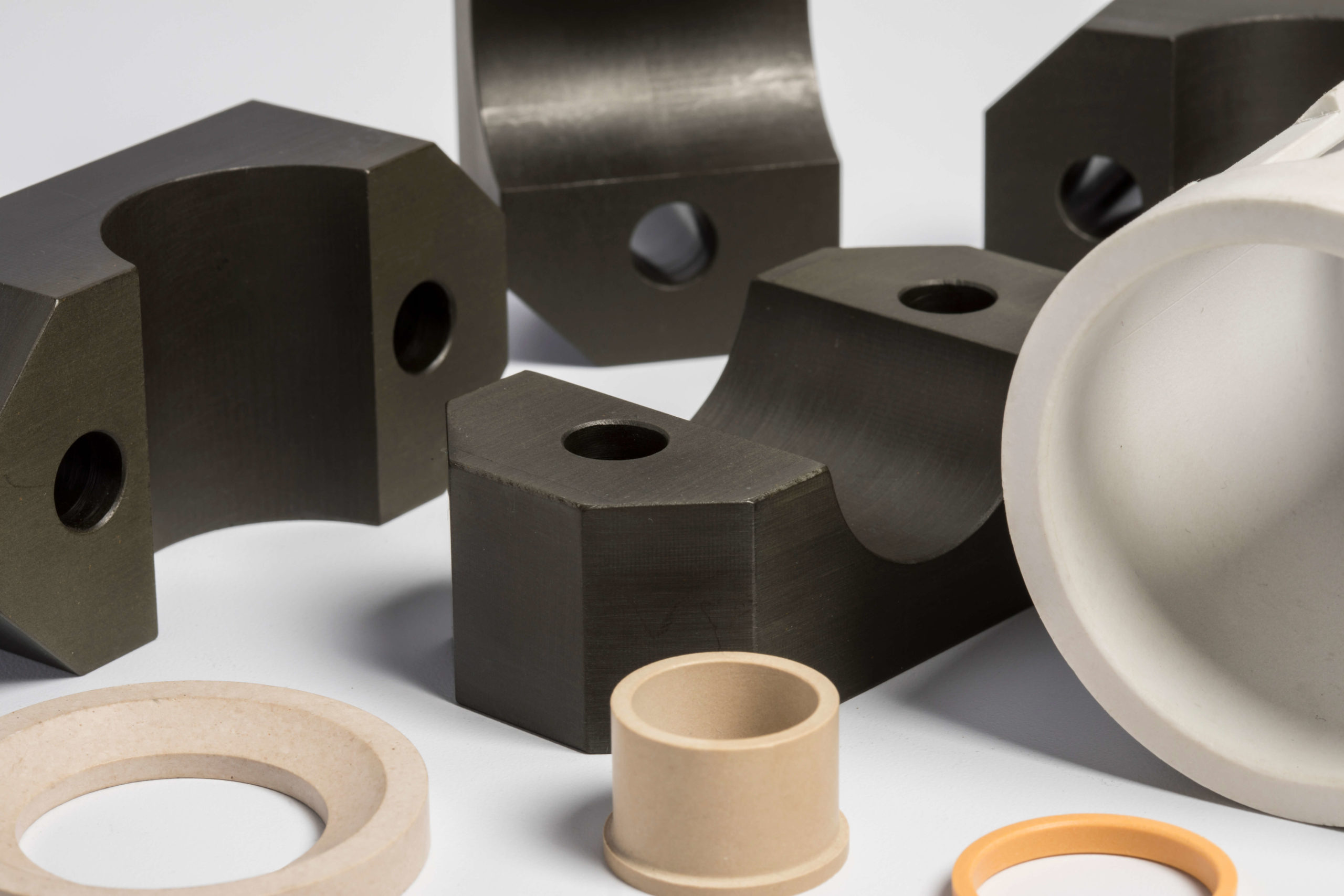
Engineers often rely on bearing-grade polymers for critical aerospace applications. Bearing-grade materials, including PEEK, Torlon, and polyimide composites, are able to offer the strength and stability needed to replace metals in aerospace mechanisms. 

This blog post is going to explore the defining properties, performance advantages, and design considerations of bearing-grade polymers in aerospace mechanisms.

The Engineering Challenge: Bearings in Aerospace Systems

Bearings in aerospace mechanisms face extreme operatging conditions. They must operate under high loads and speeds, withstand temperature extremes from cryogenic levels to over 500°F, and perform in vacuum or radiation environments without failure. Traditional metal bearings—though strong—can corrode, seize, or wear rapidly under these conditions. They often require lubrication, which is problematic in vacuum or high-temperature applications. Given these operating conditions, bearing-grade polymers are an attractive alternative to traditional metal bearings.

What is a Bearing-Grade Polymer?

Bearing-grade polymers are engineered plastics formulated specifically for high-performance bearing and bushing applications.  Many of their enhanced properties are the result of additives  such as graphite, PTFE, carbon fiber, glass, or molybdenum disulfide (MoS₂). Key parameters that define their performance include maximum pressure (P), velocity (V), and the combined PV limit, which measures load-speed endurance.

Advanced EMC’s Bearing Material Guide identifies several polymer families optimized for aerospace use, including:

  • Fluorolon 3015 (PEEK BG): it has a high PV capability, good chemical resistance, and good thermal stability.
  • Torlon 4435: known for its excellent high-temperature performance and low friction under high loads.
  • Fluorolon 4031–4033 (Polyimide-based): exhibits outstanding thermal resistance and dry-running capabilities.
  • Fluorocomp 6000/6010 (Polyimide Composites): has superior load-bearing and temperature tolerance with low wear.

Advantages of Bearing-Grade Polymers in Aerospace

Weight Reduction and Fuel Efficiency

Bearing-grade polymers are up to 80% lighter than metal counterparts. This type of weight savings directly contributes to SWaP objectives and offers much better payload and fuel efficiency.

Self-Lubrication and Maintenance-Free Operation

It is possible to obtain aerospace-grade polymers that are either naturally self-lubricating or feature built-in lubricants. This material property effectively eliminates the need for external lubrication, which is ideal for vacuum environments and reduces maintenance requirements.

Dimensional Stability and Low Thermal Expansion

Bearing-grade polymers have excellent dimensional stability and low thermal expansion. Such material properties allow them to maintain consistent clearances across a wide tempreature range. This stability prevents problems with binding or deformation that is common with metal bearings during rapid temperature shifts.

Chemical and Radiation Resistance

Polymer-grade materials include those that exhibit excellent performance even in the presence of chemicals such as hydraulic fluids, de-icing agents, fuels, and radiation without exhibiting degradation. Their chemical and radiation resistance helps ensure a long service life even in highly aggressive environments.

Vibration Damping and Noise Reduction

In addition to mechanical durability, polymers also provide  vibration damping and noise attenuation. Not only can this enhance comfort but it can also reduce wear in sensitive control systems.

Spring Loaded Seal

Common Aerospace Applications

There are a host of aerospace applications that depend on bearing-grade polymer solutions. These include ….

  • Actuation Systems – Bearings in flight control, flap, and slat actuators benefit from low friction and dry-running capability.
  • Landing Gear Components – Lightweight polymer bushings withstand impact loads and resist corrosion in outdoor conditions.
  • Satellite and Spacecraft Mechanisms – Polyimide and PEEK bearings can perform reliably in vacuum and cryogenic environments.
  • Environmental Control Systems (ECS) – Bearings resist thermal cycling in high-speed air-handling systems.
  • Turbomachinery and Pumps – High-PV polymers operate effectively without lubrication in auxiliary pumps and gear mechanisms.

Comparative Overview: Bearing-Grade Polymer Families

The table below offers an overview of the most commonly used bearing-grade polymers.

MaterialTemperature Limit (°F)Max PV (psi·ft/min)AttributesTypical Aerospace Use
Polyimide (Fluorolon 403x)570250,000–300,000Low friction, high temperature, chemical resistanceSpace mechanisms, dry-running bearings
PEEK (Fluorolon 3015)480100,000High PV, chemical resistance, thermally stableAircraft actuators, gearboxes
Torlon 4435500100,000High temp, high strength, low wearLanding gear bushings, structural bearings
PPS (Fluorolon 5065)40025,000Low friction, moderate loadCabin systems, auxiliary components
Composite (Fluorocomp 6000)55080,000Polyimide-carbon composite, high load, high tempDry-running or high-stress joints

Design and Integration Considerations

When designing aerospace compoents from bearing-grade polymer materials, engineers must account for issues such as creep, outgassing, and thermal expansion. Attention must also go into ensuring proper clearance, wall thickness, and housing interference, all of which are crucial to maintaining alignment and preload in the presence of fluctuating temperatures. Surface finish and counterface material also have an impact on wear performance. 

Note that manufacturers such as Advanced EMC are capable of ensureing consistency through precision machining, molding, and post-processing that are in compliance with AS9100 and NASA outgassing standards.

Conclusion

Bearing-grade polymers reduce weight, extend component life, and perform where metals cannot, whether their enviroment is cryogenic vacuum conditions or at the heart of high-speed actuation systems. And as aerospace systems continue to rapidly move toward greater efficiency and autonomy, polymer bearing technology will remain a cornerstone of reliability and innovation.

Advanced EMC provides engineered polymer bearing solutions optimized for aerospace performance. Contact our knowledgeable team today to learn how high-performance materials like PEEK, Torlon, and polyimide composites can enhance your next aerospace design.