by Sara McCaslin, PhD Sara McCaslin, PhD No Comments

Harsh Chemical Environments: Why Polymer Seals Outperform Metal

In industries where equipment is constantly exposed to harsh chemical environments, corrosion is a leading cause of premature seal failure, unplanned downtime, and costly maintenance. Even with protective coatings and careful material selection, metal is still vulnerable to pitting, stress corrosion cracking, and galvanic attack.

Certain engineering polymers are inherently resistant to the many forms that chemical degradation can take. They provide a proven and reliable solution to sealing even in some of the most corrosive environments. 

This article reviews the basics of corrosion, explains why corrosion is not a problem for polymers, and discusses the most common engineering polymers used in sealing solutions.

Metals Sealing Solutions and Corrosion

Metal seals used to be chosen for their strength and rigidity, but their metallic composition makes them susceptible to various forms of corrosion. For example, uniform corrosion can occur when the entire surface is exposed to a reactive chemical, causing the material to gradually thin. Another example is pitting corrosion, which is very common in chloride-rich or acidic environments. This type of corrosion generates localized damage that can quickly compromise sealing integrity.

Galvanic corrosion is another issue, especially when dissimilar metals come into contact in the presence of an electrolyte. In addition, stress corrosion cracking can occur when tensile stress and a corrosive atmosphere act together, leading to sudden and unexpected failure. Once corrosion begins, sealing forces diminish, leakage risk increases, and imminent failure awaits if the seal is not replaced proactively.

Why Polymers Excel in Harsh Chemical Environments

Polymers do not experience galvanic corrosion because they are non-conductive. In addition, some high-performance polymers (e.g., PTFE) are chemically inert, meaning they will not react with acids, bases, or solvents. This level of chemical stability allows them to maintain their dimensions and mechanical properties even after years of exposure to aggressive media. When used with compatible chemicals, several engineering polymers do not experience pitting or stress corrosion cracking. 

In addition to corrosion resistance, polymers offer low friction and reduced wear rates, which can extend the service life of both the seal and the mating surface. Some, like PTFE and UHMW-PE, provide self-lubricating properties that enable dry running. Their lighter weight can also benefit marine and transportation applications where every pound matters.

Polymer Beads

Commonly Used Materials for Seals in Harsh Chemical Environments

PTFE (Polytetrafluoroethylene)

PTFE (commonly known as Teflon) is one of the most widely used polymers for seals due to its exceptional chemical resistance, extremely low friction, and broad operating temperature range from -200°C to +260°C. It remains stable in the presence of almost all industrial chemicals, making it ideal for O-rings, gaskets, and dynamic seals used in even the most aggressive environments.

PEEK (Polyetheretherketone)

PEEK is a go-to choice for sealing applications that demand both chemical resistance and mechanical strength under high temperature and pressure. It maintains integrity in aerospace, oil and gas, and chemical processing environments where seals are subjected to extreme loads and aggressive media.

Hytrel (Thermoplastic Polyester Elastomer)

Hytrel has an unusual combination of flexibility with chemical resistance, making Hytrel sealing solutions exhibit reliable performance across a wide temperature range. It is commonly used in automotive, hydraulic, and pneumatic seals where both elasticity and resistance to fuels, oils, and industrial fluids are critical.

Kynar (Polyvinylidene Fluoride, PVDF)

Kynar, sometimes referred to as PVDF, provides excellent resistance to acids, bases, and organic solvents. Its stability under long-term chemical exposure makes it a reliable material for seals and gaskets in chemical processing equipment, including pumps, valves, and pipelines.

PPS (Polyphenylene Sulfide)

PPS offers high-temperature capability and chemical resistance, making it a strong candidate for sealing in automotive and industrial applications where both thermal cycling and aggressive fluids are present. It retains dimensional stability and mechanical performance under prolonged exposure to harsh conditions.

Performance Benefits in Harsh Chemical Environments

Polymer sealing solutions can avoid the problematic degradation mechanisms plaguing traditional metal seals. Corrosion immunity combined with other key seal properties allows them to maintain sealing pressure and integrity over more extended periods, reducing the frequency of replacements. Also, lower maintenance requirements translate into both cost savings and less downtime.

Materials with dry-running capability, such as PTFE or filled PEEK, allow operation without lubrication. This can be critical in environments where lubricants could be washed away or contaminated. In aerospace systems, the weight savings from polymer components alone can improve energy efficiency and handling.

Conclusion

When corrosion is a constant threat, polymer seals offer a long-lasting, low-maintenance alternative to traditional metal designs. The chemical resistance, dimensional stability, and low-friction properties of engineering polymers make them ideal as sealing solutions for harsh chemical environments. By specifying polymer seals early in the design phase, engineers can improve system reliability, reduce downtime, and lower lifetime costs.

Contact Advanced EMC or request a quote to discuss polymer sealing solutions engineered for your specific operating conditions and chemical challenges.


by Brandon Pascual Brandon Pascual No Comments

The Ultimate Guide to PTFE Sheets: Unleashing the Power of the Most Versatile Material on the Planet

Hey there, innovators! Are you ready to unlock the secrets of the most incredible material in the universe? Look no further than PTFE sheets!

Imagine a material that’s like a superhero cape – it’s non-stick, chemical-resistant, and can withstand temperatures that would melt lesser materials like a popsicle on a hot summer day. Sounds like science fiction, right? But trust us, PTFE sheets are the real deal.

THE EVOLUTION OF PTFE UNRAVELING THE HISTORY AND ADVANCEMENTS IN PTFE FIBER AND POLYMER

What are PTFE Sheets?

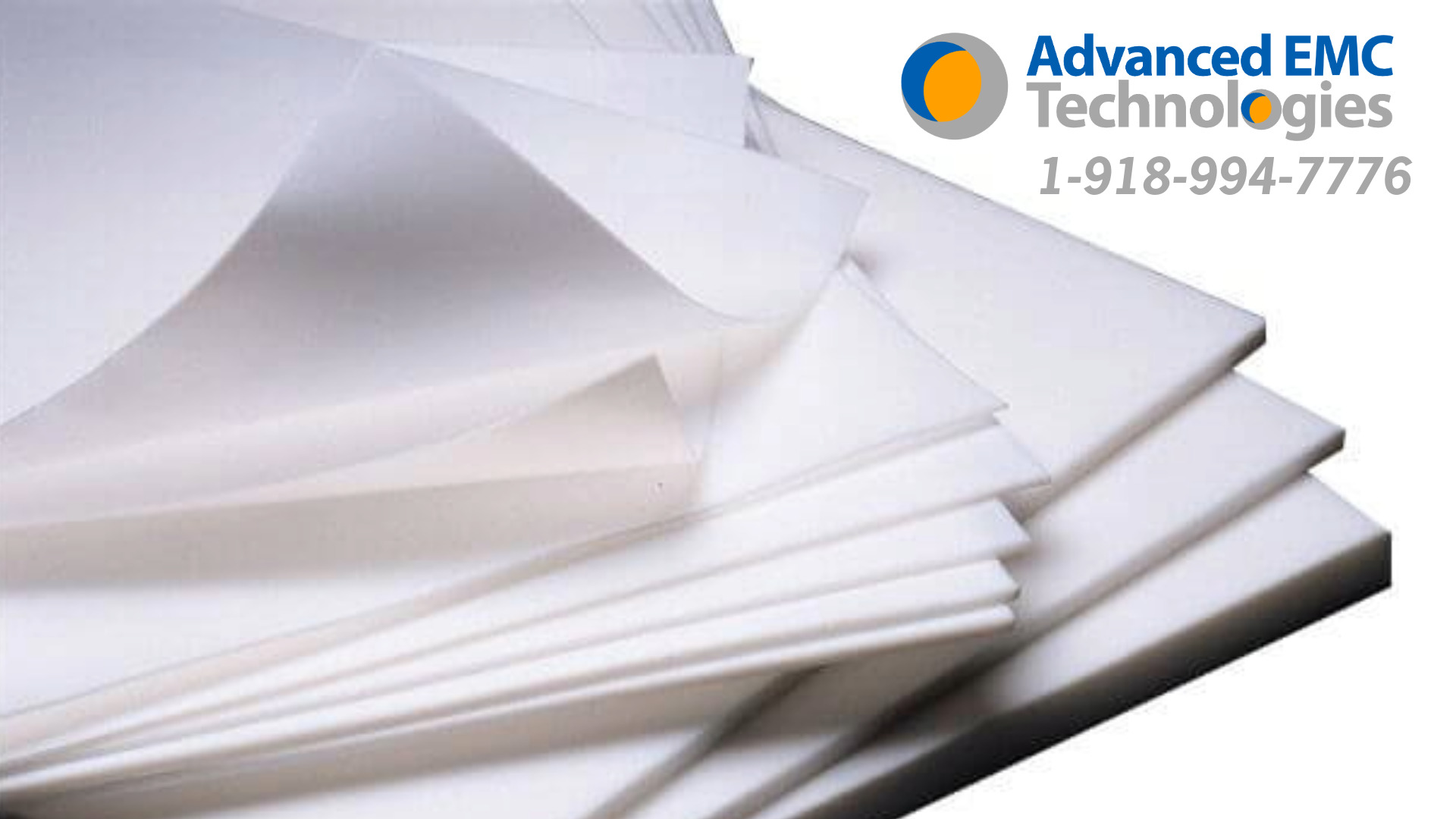
PTFE (Polytetrafluoroethylene) sheets are made from a unique polymer that’s like a molecular ninja – it can dodge and weave around chemicals, heat, and even radiation like a pro. This means that PTFE sheets can be used in some of the most extreme environments on the planet, from the depths of space to the heart of a nuclear reactor.

Properties of PTFE Sheets:

Rotary Shaft Seals for Oil and Gas Industry | Advanced EMC Technologies

Chemical Resistance: PTFE can withstand almost all chemicals.

High Temperature Tolerance: It remains stable from -200°C to +260°C.

Non-stick Surface: Few substances will permanently adhere to a PTFE coating.

Low Friction: PTFE has one of the lowest coefficients of friction of any solid.

Semiconductor circuit board

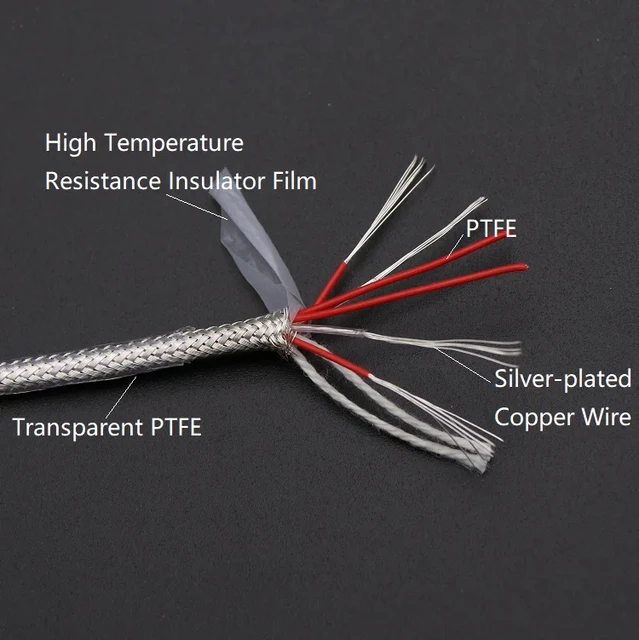
High Dielectric Strength: Excellent insulator for electrical components.

Non-Flammable: It is used in high-temperature environments without risk of fire.

Spring Energized PTFE Seals


Applications of PTFE Sheets

The possibilities are endless! With PTFE sheets, you can create:

Gaskets and Seals: Ideal for applications that require resistance to aggressive chemicals and high temperatures.

Bearings and Bushings: Provides a frictionless surface to reduce wear and tear.

Liners and Coatings: Protects equipment from corrosion and contamination.

Insulators and Dielectrics: Used in electrical applications due to its high dielectric strength.

Spring Energized Teflon Seals

Medical Devices: Biocompatible and used in various surgical instruments and implants.

Aerospace Components: Withstands the extreme conditions of space.

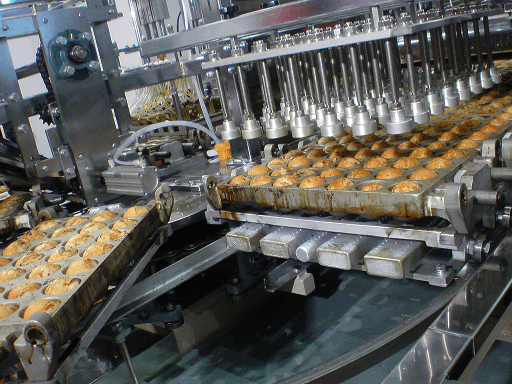
Food Processing Equipment: Non-stick and easy to clean, perfect for hygienic applications.

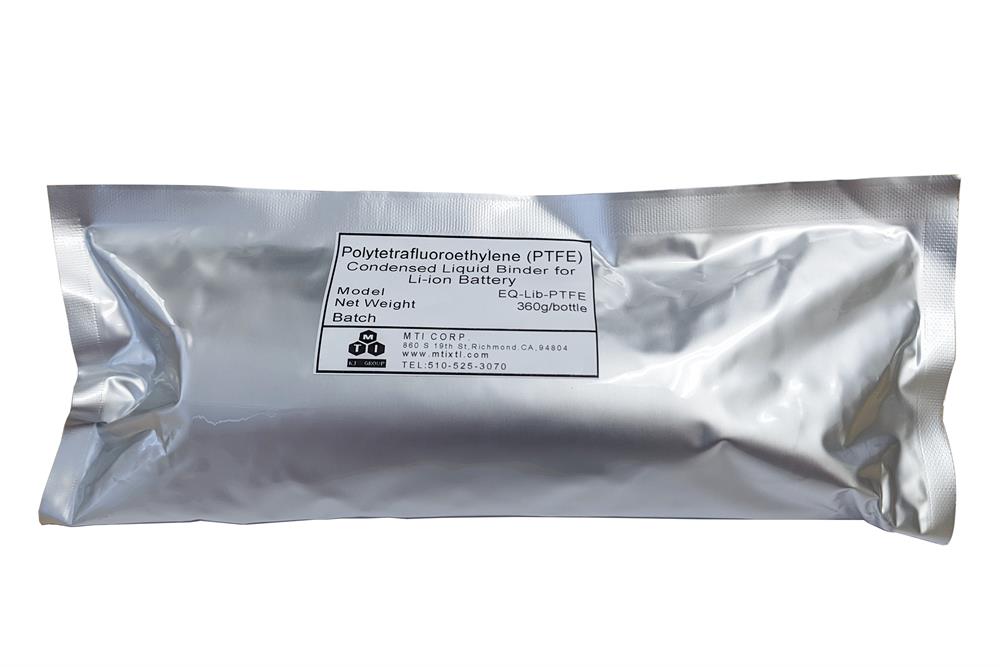
Energy Storage Systems: Durable and stable, ideal for use in batteries and fuel cells.

THE EVOLUTION OF PTFE: UNRAVELING THE HISTORY AND ADVANCEMENTS IN PTFE FIBER AND POLYMER


Real-World Applications of PTFE Sheets

PTFE sheets are used in a wide range of industries, from aerospace to medical devices. Here are some real-world examples of how PTFE sheets are being used:

Aerospace: PTFE sheets are used in the manufacture of aircraft and spacecraft components, such as seals, gaskets, and bearings. Their ability to withstand extreme temperatures and chemical exposure makes them ideal for these applications.

Medical Devices: PTFE sheets are used in the production of medical devices, such as implantable devices, surgical instruments, and diagnostic equipment. Their biocompatibility and non-stick properties make them suitable for a wide range of medical applications.

Spring Energized Teflon Seals

Food Processing: PTFE sheets are used in the production of food processing equipment, such as conveyor belts, seals, and gaskets. Their non-stick and chemical-resistant properties ensure hygiene and durability.

Energy Storage: PTFE sheets are used in the production of energy storage systems, such as batteries and fuel cells. Their thermal stability and chemical resistance enhance the efficiency and longevity of these systems.

EXPANDED PTFE VS. PTFE


Case Study: PTFE Sheets in Aerospace Applications

Background: A leading aerospace manufacturer was facing challenges with traditional sealing materials in their jet engines. The extreme temperatures and aggressive chemicals were causing frequent failures and maintenance issues.

Solution: The manufacturer switched to PTFE sheets for gaskets and seals. PTFE’s high thermal stability and chemical resistance provided a durable solution that could withstand the harsh operating conditions.

Results:

  • Increased Reliability: The use of PTFE sheets significantly reduced the frequency of seal failures.
  • Cost Savings: Maintenance costs dropped due to the longer lifespan of PTFE seals.
  • Performance Improvement: The overall performance and efficiency of the jet engines improved, leading to higher customer satisfaction.

UNDERSTANDING THE DIFFERENT TYPES OF COMPOSITE BUSHINGS IN TECHNOLOGY


So…

So, what are you waiting for? With PTFE sheets, the possibilities are endless. Whether you’re a seasoned engineer or just starting out, we invite you to join the PTFE revolution!

PTFE sheets are incredibly versatile, offering unmatched chemical resistance, thermal stability, and non-stick properties. They are essential in various industries, from aerospace to medical devices, providing reliable and long-lasting solutions.

Ready to explore the incredible benefits and applications of PTFE sheets? Click here to get started or contact us at Advanced EMC Technologies today!

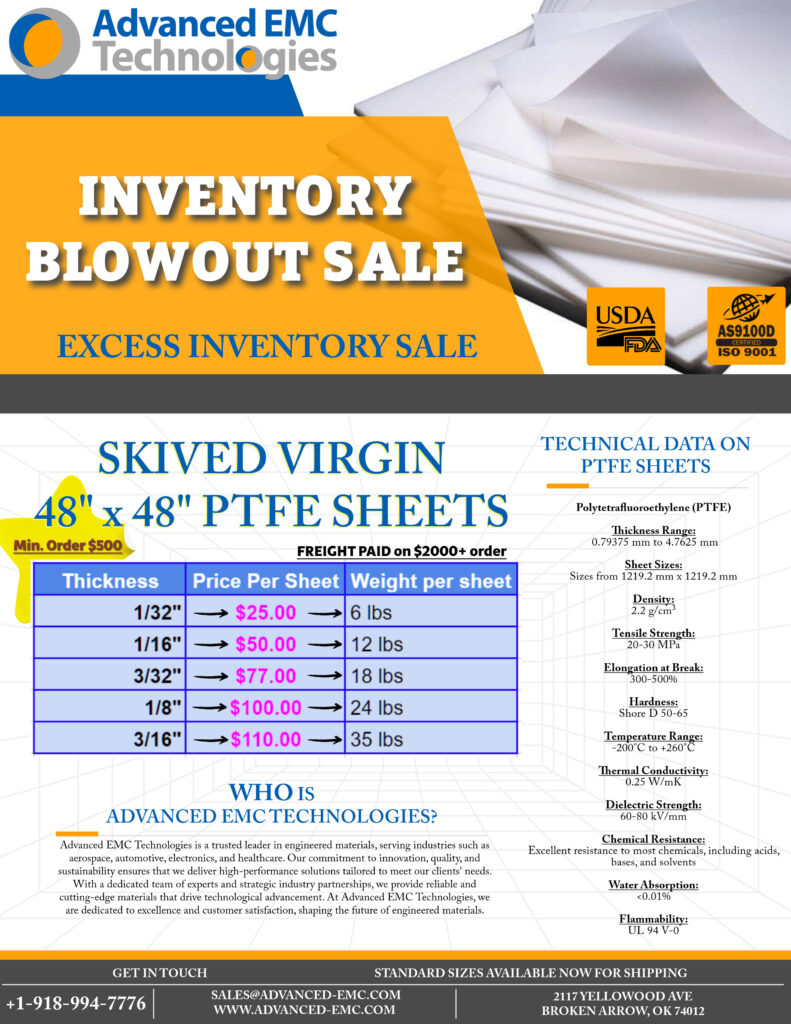
PTFE SHEET FLASH SALE!

Available Sizes and Pricing

Our PTFE sheets are available in a variety of thicknesses to meet your specific needs:

1/32″ Thickness

Price Per Sheet: $25.00

Weight Per Sheet: 6 lbs

1/16″ Thickness

Price Per Sheet: $50.00

Weight Per Sheet: 12 lbs

3/32″ Thickness

Price Per Sheet: $77.00

Weight Per Sheet: 18 lbs

1/8″ Thickness

Price Per Sheet: $100.00

Weight Per Sheet: 24 lbs

3/16″ Thickness

Price Per Sheet: $110.00

Weight Per Sheet: 35 lbs

Technical Data on PTFE Sheets

Polytetrafluoroethylene (PTFE)

Thickness Range: 0.79375 mm to 4.7625 mm

Sheet Sizes: 1219.2 mm x 1219.2 mm

Density: 2.2 g/cm³

Tensile Strength: 20-30 MPa

Elongation at Break: 300-500%

Hardness: Shore D 50-65

Temperature Range: -200°C to +260°C

Thermal Conductivity: 0.25 W/mK

Dielectric Strength: 60-80 kV/mm

Chemical Resistance: Excellent resistance to most chemicals, including acids, bases, and solvents

Water Absorption: <0.01%

Flammability: UL 94 V-0

Benefits of Our PTFE Sheets

Chemical Resistance: Withstand aggressive chemicals.

Thermal Stability: Maintain properties in extreme temperatures.

Non-stick Surface: Easy cleaning and maintenance.

Low Friction: Reduce wear and extend the life of mechanical parts.

High Dielectric Strength: Ideal for electrical applications.

Non-Flammable: Safe for high-temperature environments.

Additional Resources

Contact Information: