
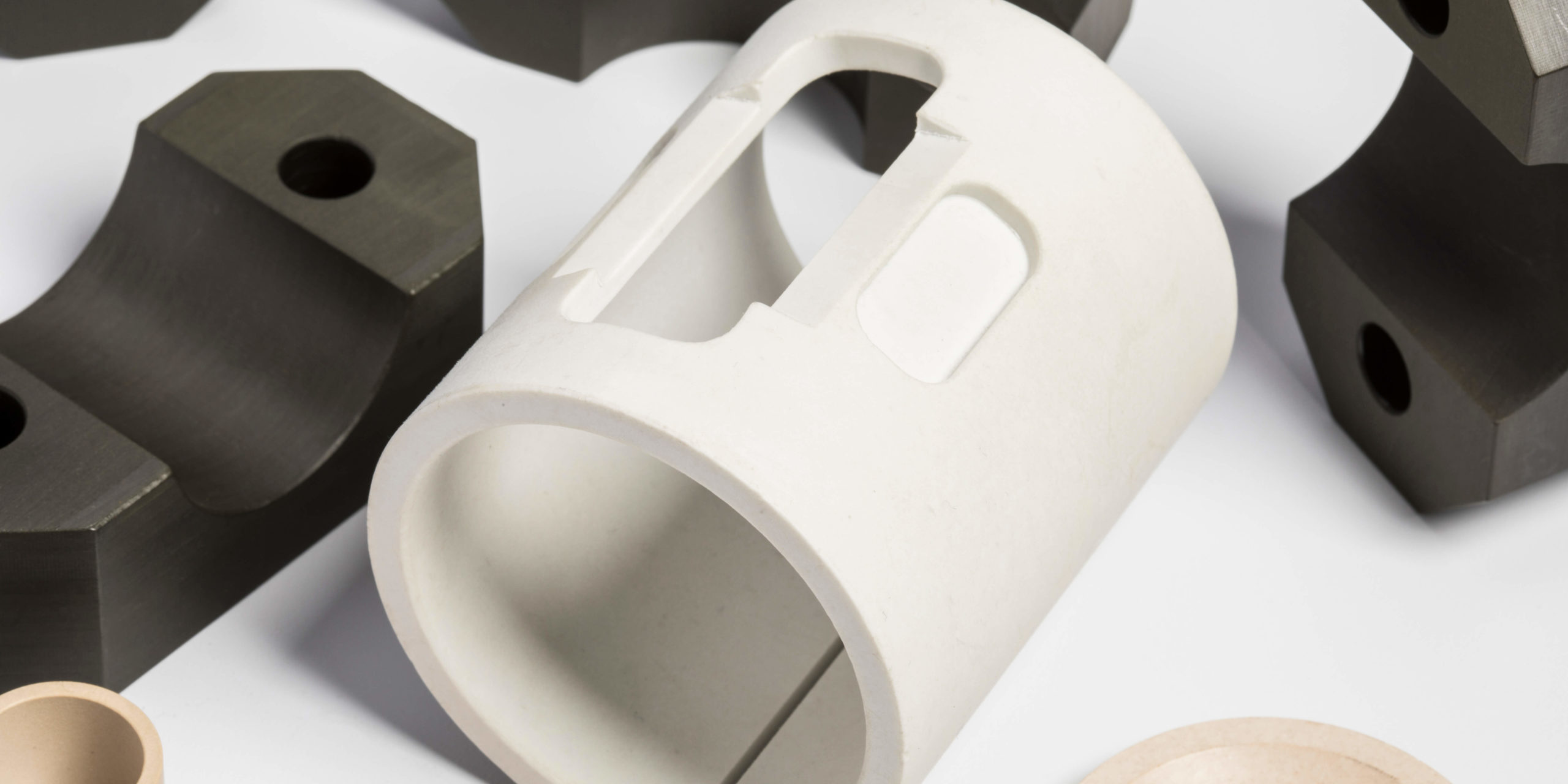
Sustainability conversations in engineering tend to focus on the big ideas, such as electrification, renewable energy sourcing, and material recycling, but all at the macro level. On the other hand, component-level design decisions, like bearing selection, are rarely part of that conversation. And this is despite them offering measurable, cumulative impact.
This article will introduce polymer plain bearings as an underexamined contributor to sustainability performance.
Weight Reduction and Energy Efficiency
Polymer plain bearings are substantially lighter than steel bearings of comparable size and load capacity. In mobile and rotating equipment, that weight reduction translates directly into reduced energy consumption over the equipment’s operating life. Now this is not a marginal, one-time engineering benefit: the weight savings from using a polymer where possible will compound across production volume and service life. This makes the cumulative energy impact larger than it initially appears. The cumulative energy impact is most obvious in mobile/dynamic equipment.
Elimination of Lubricants
Many plain polymer bearings are self-lubricating (e.g., PTFE, PEEK, and UHMW PE) either inherently or through the use of solid lubricants incorporated into the bearing material. Such designs do not require grease or oil. This can eliminate a recurring environmental and operational burden by reducing lubricant consumption, disposal, and contamination risks.
Keep in mind that every eliminated relubrication interval reduces petroleum-based lubricant use, packaging waste, and the handling/disposal requirements associated with spent lubricant. In addition, this reduces the risk of environmental contamination in food, water treatment, and outdoor equipment applications, where lubricant leakage incurs both environmental and regulatory costs.
The elimination of lubricants through polymer bearings provides an operational sustainability benefit, not just an environmental one. Fewer maintenance interventions for lubrication also reduce associated labor, transportation, and waste streams.
Recyclability and Service Efforts
Certain engineering thermoplastics used in bearings can be recycled at the end of life, including PEEK, POM, and UHMW PE. This is in direct contrast to composite or multi-material metal-bearing assemblies, which are significantly more difficult to separate and reclaim. Keep in mind, of course, that not all polymer-bearing materials are equally recyclable, and reinforced or filled compounds may complicate recycling. This advantage is dependent on the type and grade of polymer selected.
Service life is also a relevant factor: in corrosive, washdown, or moisture-exposed environments, polymer bearings often outlast steel alternatives that require corrosion protection or more frequent replacement. This has the potential to extend the component’s useful life while reducing material turnover.
Where the Sustainability Case Has Limits
There are boundaries to the sustainability capabilities of plain polymer bearings, however. They are not universally superior. They do have operating envelopes that involve factors such as load capacity, operating temperature, and speed limitations. This means they are not an appropriate substitute for every bearing application. As such, replacing metal bearings with polymer alternatives requires careful evaluation rather than blanket substitution. And while the sustainability case is compelling, it depends on correct application.
Conclusion
Sustainability in engineering is often achieved through cumulative, component-level decisions rather than singular large-scale initiatives. And that includes the choice of bearings and bearing materials for dynamic machinery and other dynamic applications. Advanced EMC is your resource for engineers evaluating whether a polymer bearing is a viable, sustainability-conscious alternative for your application. Contact us today!