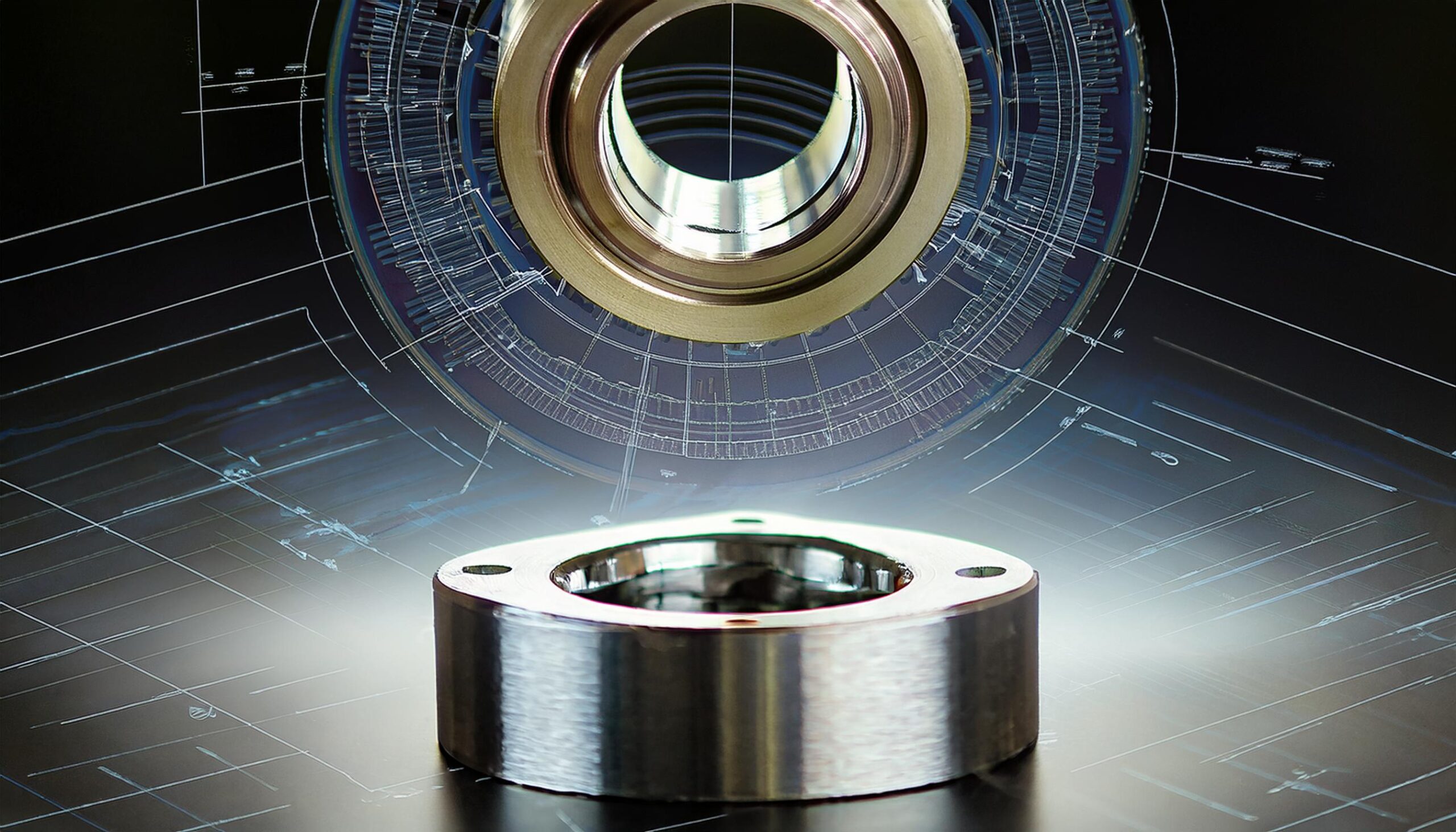
How PTFE Rotary Shaft Seals Revolutionize Maintenance and Machinery Longevity
In high-performance industries, the demands placed on machinery are relentless. Whether it’s operating under intense pressure, extreme temperatures, or aggressive chemicals, rotary shaft seals are expected to perform without failure. However, not all seals are created equal, and PTFE rotary shaft seals are increasingly recognized for their exceptional ability to reduce maintenance and extend machinery life.
More than just another material choice, PTFE (Polytetrafluoroethylene) offers unique properties that make it indispensable in industrial applications where reliability, durability, and efficiency are critical. In this comprehensive article, we’ll delve into how PTFE rotary shaft seals reduce the frequency of maintenance, extend equipment longevity, and improve overall operational performance in high-stress environments.
The Science Behind PTFE Rotary Shaft Seals
Understanding the value of PTFE rotary shaft seals starts with appreciating the material’s intrinsic properties. PTFE, a fluoropolymer, has become synonymous with resilience in the face of mechanical stress, chemical attack, and thermal extremes. These qualities come from its molecular structure, where carbon and fluorine bonds are incredibly strong. This bond creates a material that is chemically inert, thermally stable, and capable of enduring dynamic movement.
Let’s break down the key properties that make PTFE rotary shaft seals so effective in reducing maintenance:
- Extreme Chemical Resistance: PTFE’s non-reactive nature allows it to resist almost all corrosive chemicals, with few exceptions. This property is pivotal in applications like chemical processing, where traditional seals would degrade over time, leading to leaks or system failure.
- Self-Lubrication: PTFE’s ultra-low coefficient of friction means it’s naturally lubricating, reducing wear on both the seal and the rotary shaft itself. This dramatically lowers the maintenance burden, as there’s less need for external lubricants and fewer parts to replace due to friction damage.
- Thermal Stability: With a melting point of 620°F (327°C) and functionality down to -459°F (-273°C), PTFE performs in some of the most extreme temperature environments found in industries like aerospace, oil and gas, and cryogenic applications. Thermal expansion is also minimal, ensuring dimensional stability across varying temperature ranges, which is crucial for maintaining seal integrity in fluctuating conditions.
- Low Outgassing: Especially important in high-vacuum environments like aerospace, PTFE emits very low levels of gas, ensuring that it does not compromise the vacuum integrity of the system. This property is vital for long-term performance in precision engineering sectors, where even minor contaminations can cause significant issues.
How PTFE Rotary Shaft Seals Reduce Maintenance Costs
In most industrial settings, maintenance is a critical but costly factor in operational efficiency. Machinery downtime results in lost productivity, and frequent maintenance increases operational costs. PTFE rotary shaft seals, due to their self-lubricating and wear-resistant nature, drastically cut down on both planned and unplanned maintenance events. Here’s how:
1. Enhanced Resistance to Wear and Tear
One of the main reasons seals fail is due to the mechanical wear and tear caused by continuous operation. Traditional seals, particularly those made from elastomers or rubbers, degrade over time because of friction between the shaft and seal lip. This wear is accelerated when the machinery operates in high-speed or high-pressure conditions.
In contrast, PTFE’s low coefficient of friction significantly reduces the contact stress between the rotating shaft and the seal lip, thus minimizing wear. For example, virgin PTFE has a coefficient of friction as low as 0.04, making it one of the slickest materials available. This means that PTFE rotary shaft seals can run for significantly longer periods without the degradation commonly seen with other materials, leading to fewer replacement cycles.
2. Self-Lubricating, Low Maintenance
Unlike traditional materials that rely on external lubrication to maintain performance, PTFE rotary shaft seals are self-lubricating. This property makes them ideal for applications where regular maintenance isn’t feasible, such as in aerospace or subsea oil drilling. The self-lubricating nature of PTFE reduces the need for regular application of lubricants, significantly lowering maintenance costs and extending the operational life of both the seal and the shaft it interacts with.
3. Handling Harsh Chemical Environments
In industries like chemical processing, semiconductor manufacturing, and food and beverage, seals are regularly exposed to harsh chemicals. Most traditional seals would degrade rapidly under these conditions, leading to increased downtime and replacement costs. However, PTFE’s ability to resist corrosive media is unmatched, allowing it to function effectively even in the presence of aggressive chemicals such as:
- Hydrochloric acid
- Sulfuric acid
- Organic solvents
- Hydrocarbon-based fuels
Because of this, PTFE rotary shaft seals dramatically lower the need for frequent maintenance in chemical environments, as they maintain their structural integrity far longer than other materials.
Enhancing Machine Longevity with PTFE Seals
Beyond minimizing maintenance, PTFE rotary shaft seals extend the overall operational lifespan of the machinery they’re used in. This impact is not just about reducing downtime but about ensuring that machinery operates at peak efficiency for longer periods. Let’s look at some specific ways PTFE seals enhance machine longevity:
1. Protecting the Shaft from Damage
In many sealing applications, it’s not just the seals that wear out—the rotating shafts they interact with are also prone to damage. Many materials used in traditional seals, particularly those filled with abrasive additives like glass fibers, can cause significant shaft wear over time. Repairing or replacing a worn-out shaft is far more expensive and disruptive than replacing a seal.
PTFE, being naturally non-abrasive, protects the shaft from this wear. Even when filled with reinforcements such as carbon or MoS2, PTFE remains less abrasive than traditional materials, helping to prolong the life of the shaft. This is a particularly critical advantage in high-value equipment such as aerospace engines, turbines, or high-speed manufacturing systems, where shaft integrity is essential to overall system performance.
2. Handling High Speeds Without Overheating
In applications involving high-speed rotation, such as motorsports, aerospace, or manufacturing equipment, heat generation is a significant concern. Traditional seals often fail because of the heat produced by friction at high rotational speeds. As the seals heat up, their material properties change, causing them to lose their sealing effectiveness.
PTFE rotary shaft seals, however, are designed to handle high shaft speeds of up to 35 m/s. PTFE’s low friction properties mean less heat is generated during operation, allowing the seal to maintain its performance even at high speeds. This capability is essential in preventing premature seal failure and extending the life of the machinery it protects.
3. Enduring Extreme Temperatures
Both high-temperature and cryogenic conditions can wreak havoc on seals. In extreme heat, many materials soften, expand, or degrade, losing their ability to maintain a tight seal. At extremely low temperatures, materials can become brittle, crack, or lose elasticity, causing leaks or component failures.
PTFE’s broad temperature range—from 500°F (260°C) down to -459°F (-273°C)—makes it the material of choice for rotary shaft seals in temperature-sensitive environments. Whether in oil and gas refineries where equipment must function in both hot and cold conditions, or in aerospace applications where rapid temperature changes are common, PTFE remains stable. This thermal stability not only extends the life of the seal but also ensures the machinery operates reliably for longer periods.
Real-World Examples of PTFE in Action
Oil and Gas Industry
In oil and gas applications, such as downhole drilling, equipment is subjected to a combination of high temperatures, pressures, and aggressive chemicals. PTFE rotary shaft seals are ideal for this environment, where traditional elastomer seals would break down due to the presence of hydrocarbons and drilling fluids. The ability of PTFE seals to resist these harsh media extends the operational life of drilling equipment, reduces downtime, and cuts the frequency of expensive repairs.
Aerospace Industry
In the aerospace sector, components are expected to operate flawlessly under extreme temperatures and dynamic pressures, especially in high-altitude or space missions. PTFE’s low outgassing properties and ability to handle extreme conditions make it the go-to material for seals used in landing gear systems, turbine engines, and rocket propulsion. These seals reduce the need for maintenance during missions, making aerospace operations more efficient and reliable.
Food and Beverage Processing
Seals used in food processing equipment must not only be FDA-compliant but also resistant to the aggressive cleaning processes used to maintain hygiene. PTFE rotary shaft seals meet both of these requirements. In high-speed mixers or packaging machines, PTFE seals extend the lifespan of the equipment by withstanding harsh cleaning agents and high-pressure washdowns, reducing the frequency of shutdowns for maintenance.
Maximizing Performance and Efficiency with PTFE Rotary Shaft Seals
PTFE rotary shaft seals go beyond reducing maintenance—they fundamentally improve the longevity, efficiency, and reliability of industrial equipment. By providing exceptional chemical resistance, self-lubrication, and thermal stability, PTFE seals allow machinery to operate under extreme conditions for extended periods without failure.
Whether you’re looking to cut maintenance costs, reduce downtime, or extend the operational life of your equipment, PTFE rotary shaft seals provide a proven, high-performance solution.
Contact Advanced EMC Technologies today to find out how PTFE seals can optimize the performance of your machinery and help you achieve greater reliability in your operations.
Links
The Revolutionary Impact of PTFE Rotary Shaft Seals on Industrial Applications
Maximizing the Performance of Your PTFE Rotary Shaft Seals
Why PTFE Rotary Shaft Seals Are Essential for High-Performance Machinery